Tell us about the job
Takes about a minute. No obligation.
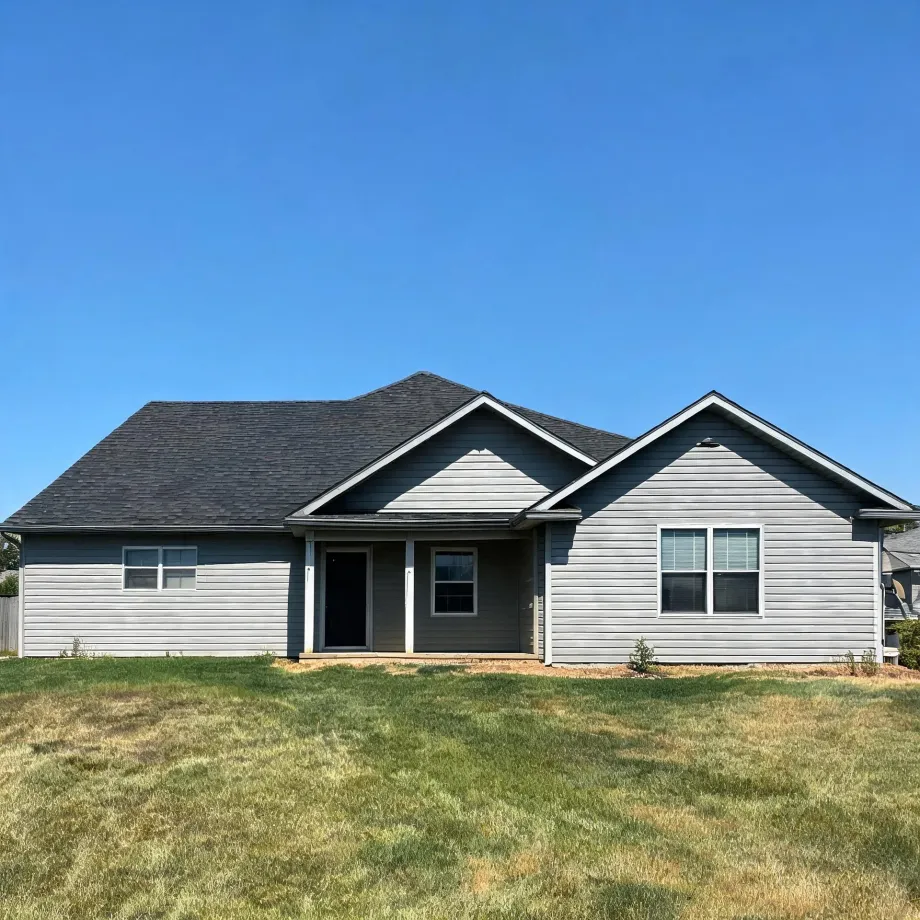
Sizing a central AC system in Roosevelt County calls for a careful load calculation before anything gets quoted or ordered. Homes in Roosevelt County, MT run cooling about two months a year, from July through August. A compressor that is undersized for the house shows the problem almost immediately when July arrives, because there are no mild spring weeks of part-load running to mask how the system is performing under real heat. The condenser fan and contactor have a narrow window of actual use each year, so a fault that develops during the off-season sits undiscovered until the first hot day, which is also when every other homeowner calls. A contractor working here accounts for all of that before committing to equipment size.
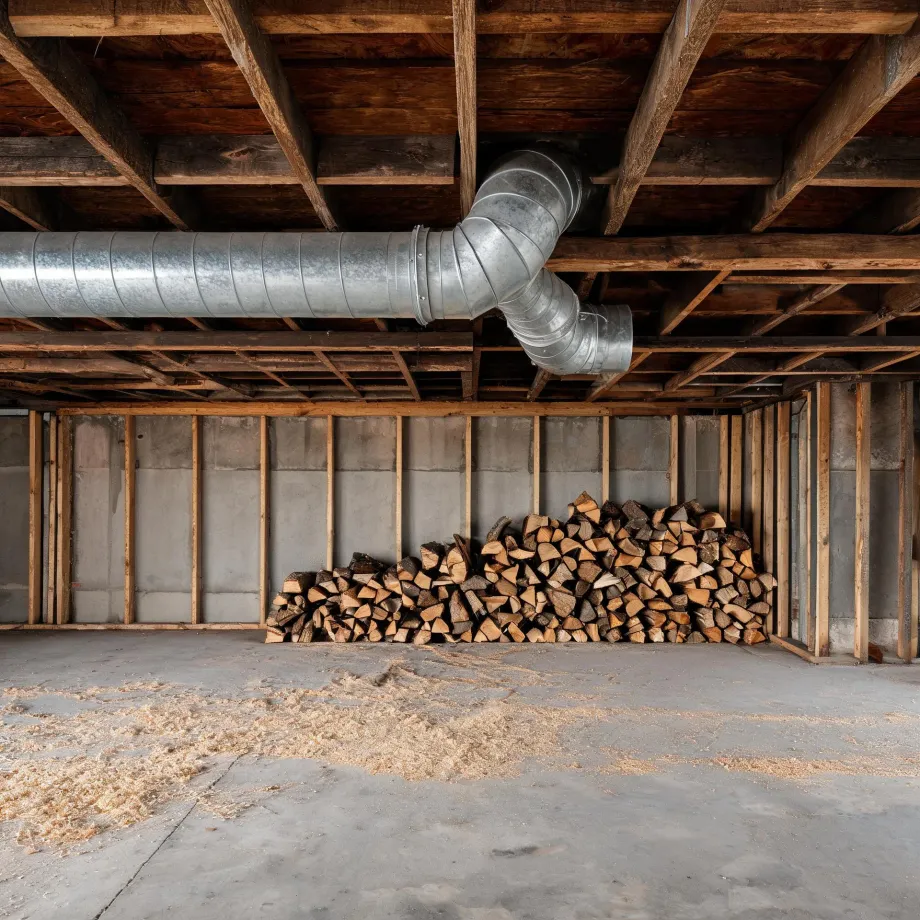
Ductwork sized and routed for equipment that no longer exists is what a contractor encounters in a significant share of Roosevelt County homes. Half the homes in Roosevelt County, Montana were built in 1974 or earlier (2020-2024 ACS 5-year). That history matters at the installation stage: when new equipment draws differently than what the ducts were built around, a contractor has to assess whether the existing runs will carry the load or whether sections need to be rerouted before the new unit goes in. The electrical service gets the same look, since a panel installed for a smaller draw can require an upgrade before the job is done.
The Central AC Components a Contractor Works With
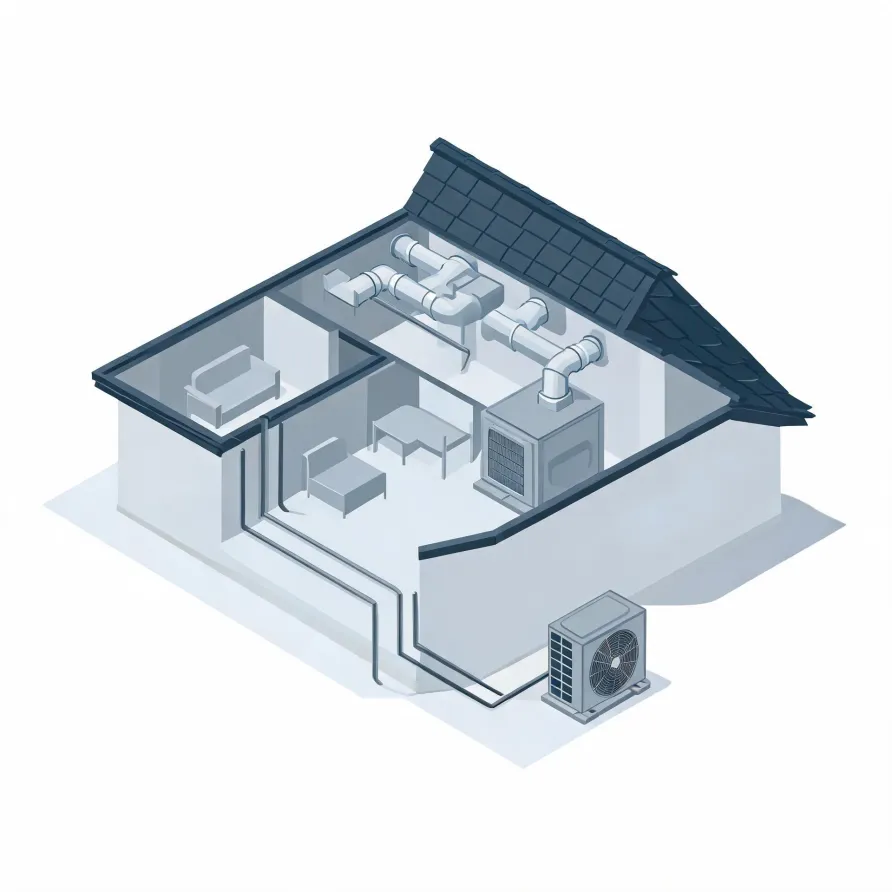
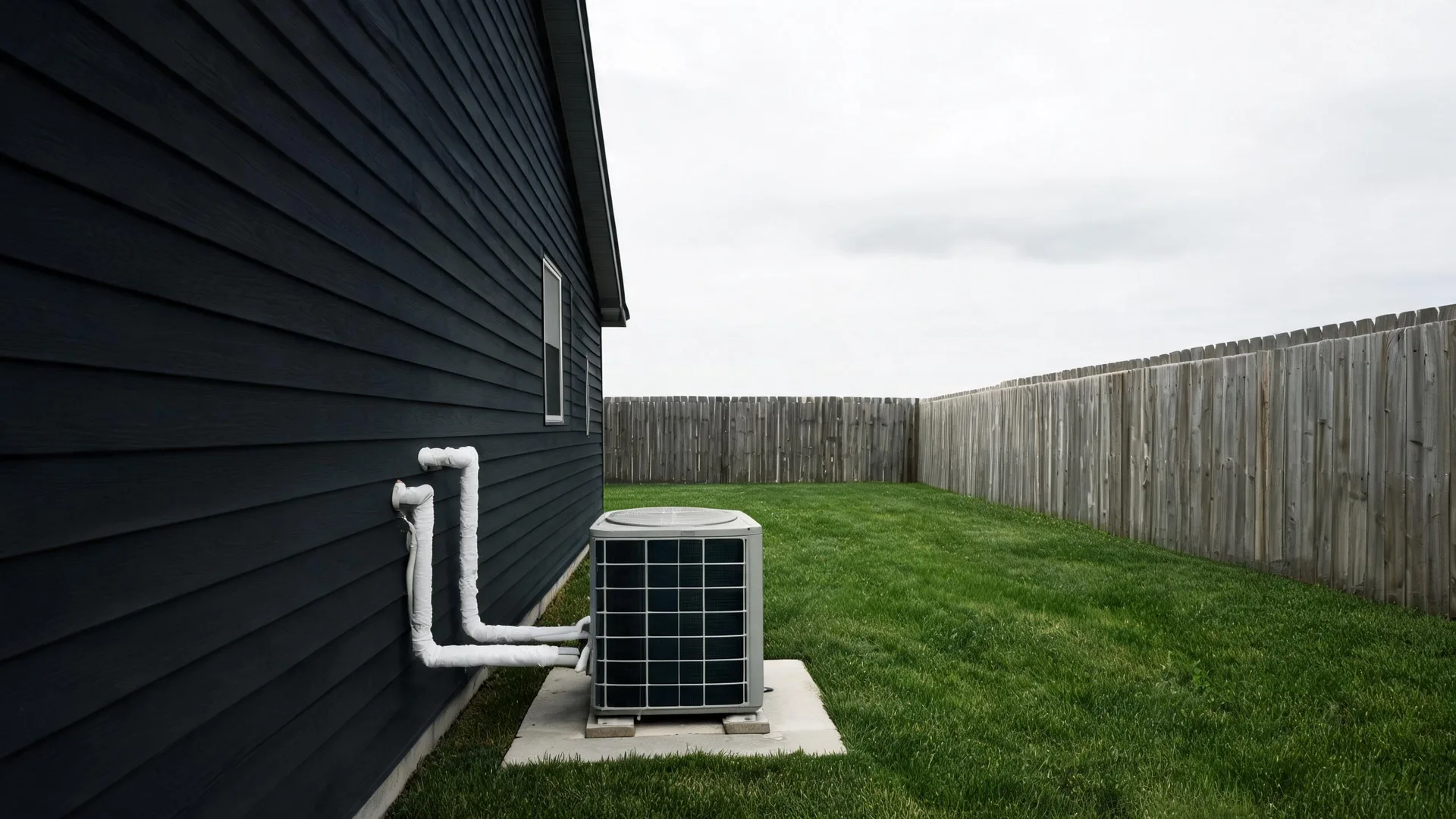
The outdoor condenser unit sits outside the house, usually along a side or rear wall, and holds the compressor and condenser coil. Inside, the air handler or furnace-mounted evaporator coil sits in a mechanical room, basement, or utility closet. These are the two main pieces a contractor brings in and connects when a new system goes in.
The refrigerant line set runs between those two units, linking the indoor and outdoor sides through the wall or floor. A thermostat on a main living area wall controls the whole system, and a disconnect box mounts near the outdoor unit to give the contractor a local shutoff point.
The drawing shows a typical layout, and a licensed contractor determines exactly how each component fits the setup in your house.
Find a contractor in Roosevelt CountyRoosevelt County, by the record
213 severe weather events were recorded in Roosevelt County, Montana between 2015 and 2024.
NOAA National Centers for Environmental Information, Storm Events Database, bulk CSV export, events 2015-01-01 through 2024-12-31.Half the homes in Roosevelt County, Montana were built in 1974 or earlier (2020-2024 ACS 5-year).
U.S. Census Bureau, 2020-2024 American Community Survey 5-Year EstimatesRoosevelt County, Montana holds 4,066 housing units (2020-2024 ACS 5-year).
U.S. Census Bureau, 2020-2024 American Community Survey 5-Year EstimatesOwners occupy 66.6% of the occupied homes in Roosevelt County, Montana (2020-2024 ACS 5-year).
U.S. Census Bureau, 2020-2024 American Community Survey 5-Year EstimatesRules & Standards Behind Central AC Installation in Roosevelt County, Montana10 sourced rules and standards
What the installation looks like in Roosevelt County
Split-system central air conditioners rated below 45,000 Btu/h manufactured on or after January 1, 2023 must meet a federal minimum of 13.4 SEER2.
Split-system central air conditioners rated at or above 45,000 Btu/h manufactured on or after January 1, 2023 must meet a federal minimum of 13.4 SEER2.
Split-system central air conditioners manufactured between January 1, 2015 and December 31, 2022 had to meet 13 SEER, the metric that preceded SEER2.
Single-package central air conditioners manufactured on or after January 1, 2023 must meet a federal minimum of 13.4 SEER2.
Space-constrained central air conditioners manufactured on or after January 1, 2023 must meet a federal minimum of 11.7 SEER2.
Federal efficiency standards for split-system central air conditioners and heat pumps are set on each certified combination of outdoor unit and indoor coil rather than on the outdoor unit alone.
Residential and light commercial air conditioning and heat pump systems assembled in the field, including mini-splits and unitary systems, may not be installed on or after January 1, 2025 using a refrigerant with a global warming potential above 700.
A field-assembled system whose specified components were all manufactured or imported before January 1, 2025 carries no installation compliance date under the refrigerant restrictions and may still be installed.
Licensing and Legal Requirements in Roosevelt County, Montana
Montana’s contractor licence does not reach a casual, minor or inconsequential job whose total price for labour, materials and everything else is less than $2,500 — and the exemption is lost if the work is only part of a larger operation, or if a job is divided up to get under the figure.
Montana requires a current construction contractor licence from the Department of Labor and Industry: an individual or business may not engage in business as a construction contractor without one.
Severe Weather Events in Roosevelt County
Weather in Roosevelt County puts a measurable load on HVAC equipment, and that load shapes which systems hold up and how they need to be sized. Central AC installation here is a decision rooted in local conditions, not a generic product choice.
213 severe weather events, 2015–2024. Source: NOAA National Centers for Environmental Information, Storm Events Database.