Tell us about the job
Takes about a minute. No obligation.
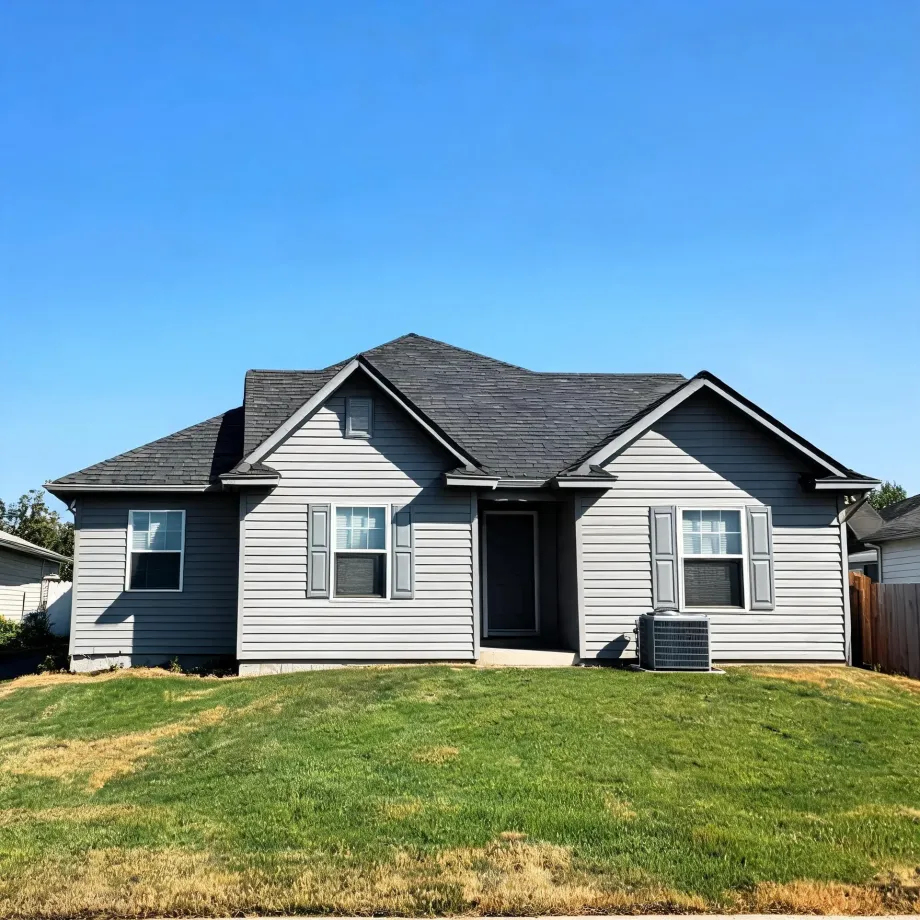
A compressor that breaks down in August in Richland County has had almost no idle time to hide a developing fault. Homes in Richland County, MT run cooling about two months a year, from July through August. The contactor cycles every time the unit starts and stops, and in a short, hard cooling season it can rack up enough switching wear that a contractor finds it degraded before they reach anything else. The condenser fan runs alongside that compressor through every hour of that load, and its bearings and motor windings show the same pattern. A repair quote that skips those two components and heads straight to the refrigerant charge is skipping what the season actually did to this system.
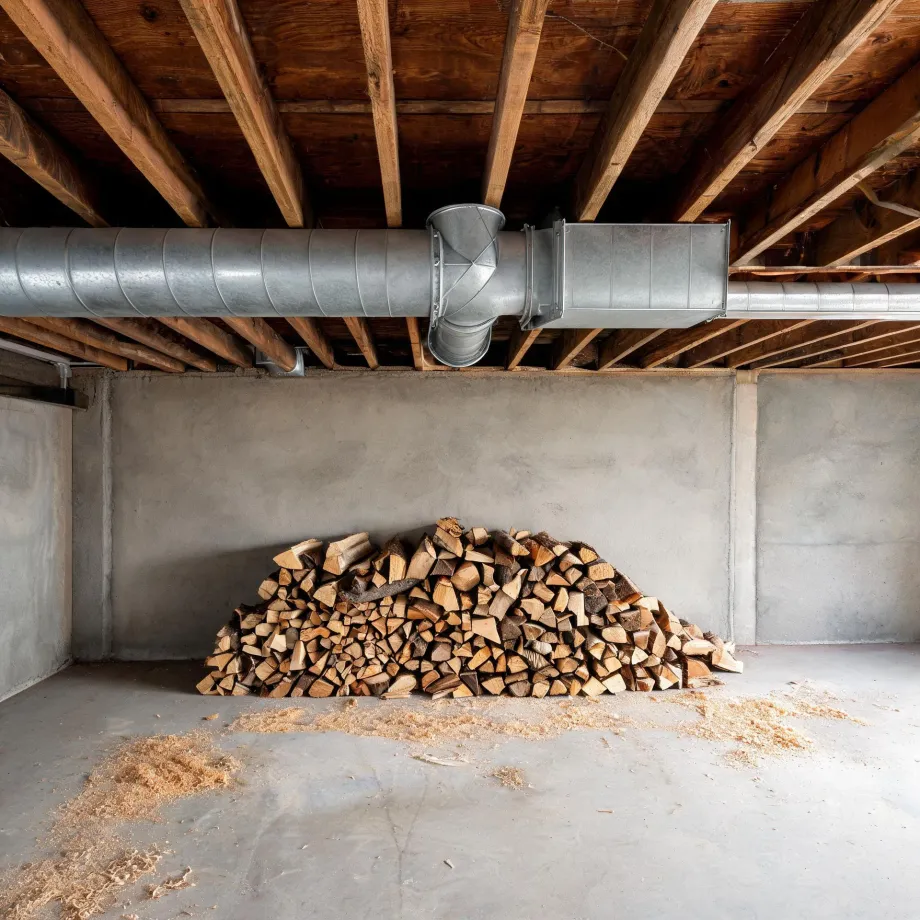
Ductwork in a house this age was sized and routed for whatever system the original builder put in, and the refrigerants, capacitors, and control boards that have come and gone since then are not interchangeable. Half the homes in Richland County, Montana were built in 1980 or earlier (2020-2024 ACS 5-year). What a contractor finds once the unit is open decides the job: a part that is still manufactured ships fast, and a part that left the market quietly can stall a repair or end it. That supply question is the variable most homeowners do not see coming.
The Parts of a Central AC a Contractor Checks First
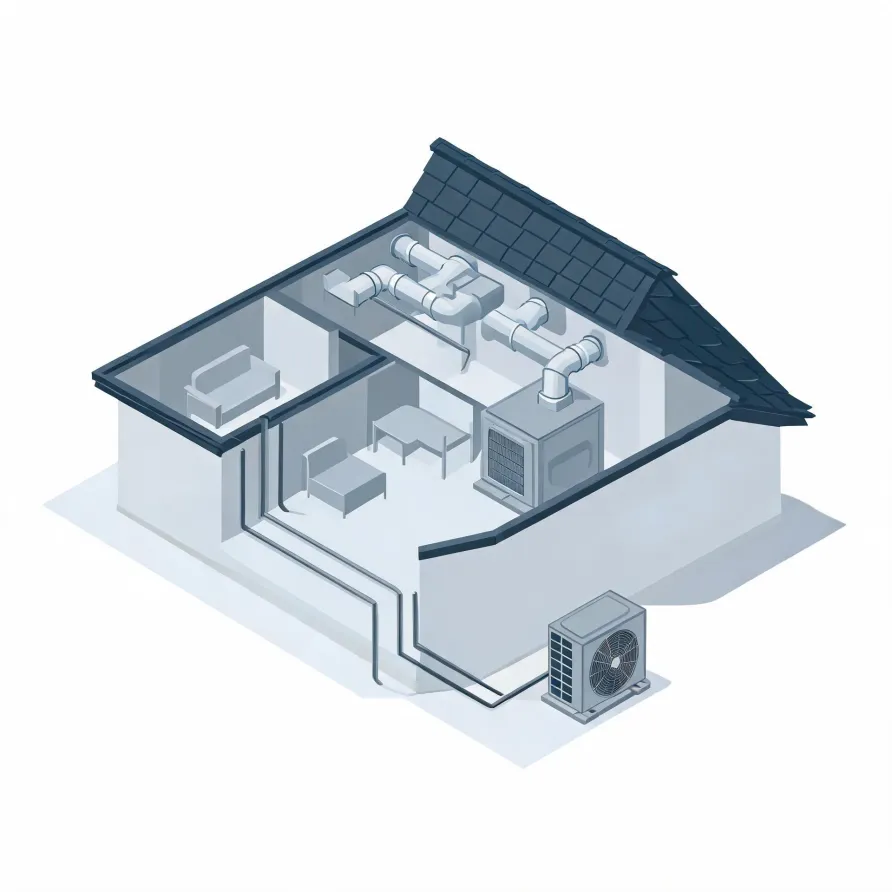
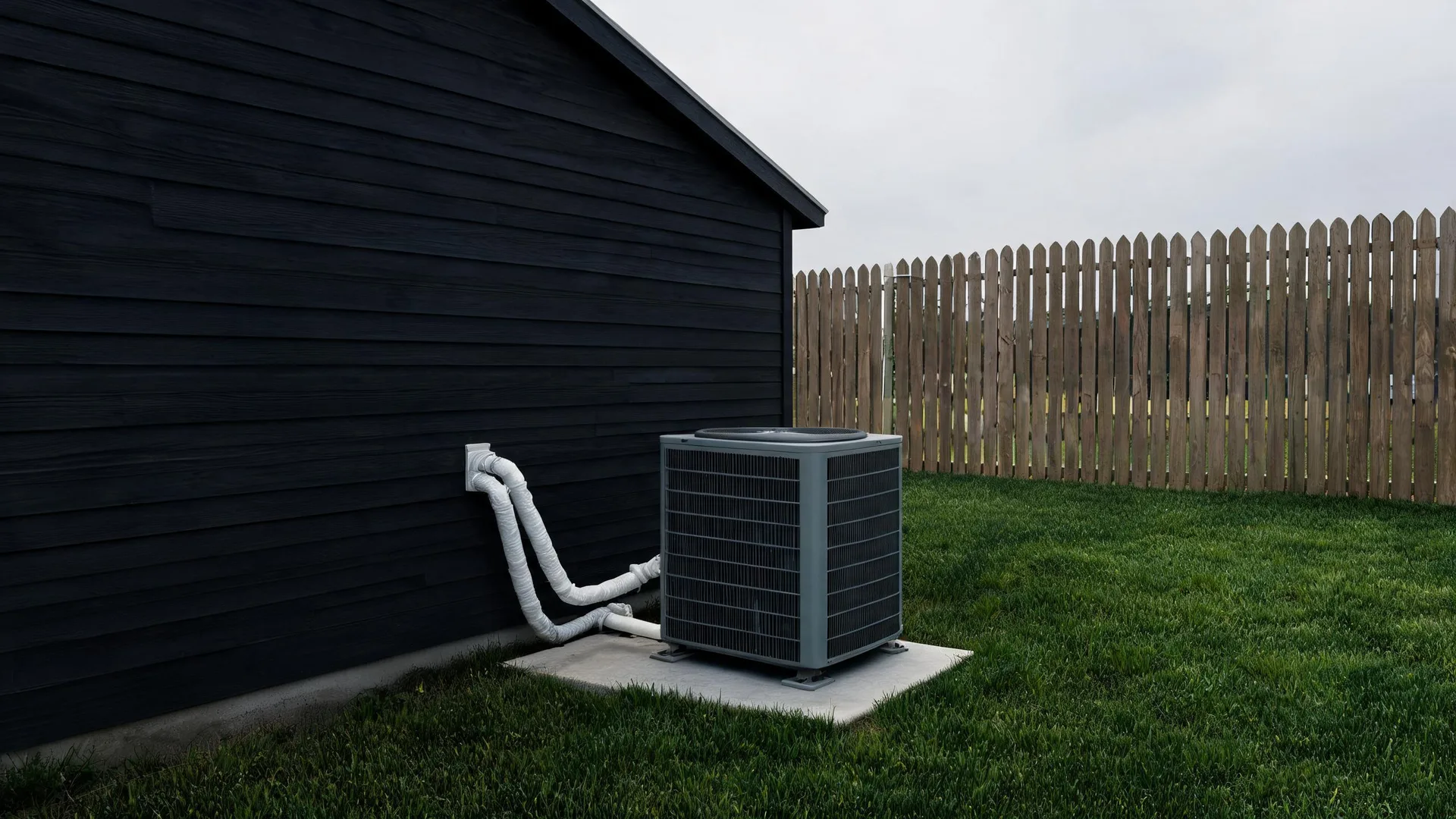
The outdoor condenser unit sits outside the house, usually on a concrete pad along an exterior wall, and it is where heat gets shed to the outside air. The indoor air handler or furnace fan sits inside, often in a utility closet, basement, or attic, and it moves conditioned air through the house. These two units are the pieces a contractor turns to first when a system stops cooling or starts behaving oddly.
Running between the two units is a pair of refrigerant lines, one insulated, one bare, and a contractor checks these for leaks or damage whenever the indoor or outdoor unit points to a refrigerant problem. The evaporator coil sits inside the air handler, directly in the path of the airflow, and a frozen or fouled coil is one of the more common reasons a system loses its ability to cool a home.
The drawing shows the general layout of a central AC system, and a licensed contractor determines which components and conditions apply to your specific home.
Find a contractor in Richland CountyRichland County, by the record
163 severe weather events were recorded in Richland County, Montana between 2015 and 2024.
NOAA National Centers for Environmental Information, Storm Events Database, bulk CSV export, events 2015-01-01 through 2024-12-31.Half the homes in Richland County, Montana were built in 1980 or earlier (2020-2024 ACS 5-year).
U.S. Census Bureau, 2020-2024 American Community Survey 5-Year EstimatesRichland County, Montana holds 5,610 housing units (2020-2024 ACS 5-year).
U.S. Census Bureau, 2020-2024 American Community Survey 5-Year EstimatesOwners occupy 67.1% of the occupied homes in Richland County, Montana (2020-2024 ACS 5-year).
U.S. Census Bureau, 2020-2024 American Community Survey 5-Year EstimatesCodes & Standards Behind Central AC Repair in Richland County, Montana10 sourced rules and standards
What HVAC Repair Looks Like in Richland County
Split-system central air conditioners rated below 45,000 Btu/h manufactured on or after January 1, 2023 must meet a federal minimum of 13.4 SEER2.
Split-system central air conditioners rated at or above 45,000 Btu/h manufactured on or after January 1, 2023 must meet a federal minimum of 13.4 SEER2.
Split-system central air conditioners manufactured between January 1, 2015 and December 31, 2022 had to meet 13 SEER, the metric that preceded SEER2.
Single-package central air conditioners manufactured on or after January 1, 2023 must meet a federal minimum of 13.4 SEER2.
Space-constrained central air conditioners manufactured on or after January 1, 2023 must meet a federal minimum of 11.7 SEER2.
Federal efficiency standards for split-system central air conditioners and heat pumps are set on each certified combination of outdoor unit and indoor coil rather than on the outdoor unit alone.
Residential and light commercial air conditioning and heat pump systems assembled in the field, including mini-splits and unitary systems, may not be installed on or after January 1, 2025 using a refrigerant with a global warming potential above 700.
A field-assembled system whose specified components were all manufactured or imported before January 1, 2025 carries no installation compliance date under the refrigerant restrictions and may still be installed.
Licensing and Legal Requirements in Richland County, Montana
Montana’s contractor licence does not reach a casual, minor or inconsequential job whose total price for labour, materials and everything else is less than $2,500 — and the exemption is lost if the work is only part of a larger operation, or if a job is divided up to get under the figure.
Montana requires a current construction contractor licence from the Department of Labor and Industry: an individual or business may not engage in business as a construction contractor without one.
Severe Weather Events in Richland County
Weather patterns in Richland County put real demands on central AC systems, cycling them harder and more unpredictably than steady conditions would. A contractor doing repair work here is working against that local load history, not a generic one.
163 severe weather events, 2015–2024. Source: NOAA National Centers for Environmental Information, Storm Events Database.