How long an AC unit lasts in Billings, MT
I'm done searchingSummers in Billings run hot and dry, and your air conditioner carries that load every year without much of a break. At some point it stops keeping up, or it goes out the week you need it most, and then the question is what to put in. That usually means calling around to a handful of contractors, waiting on each one to come look, and trying to make sense of quotes that price out different equipment in different ways. It is slow, and it falls on you to manage. Send the form here and that work stops being yours to do. You are not left sorting through ads or guessing which company to trust with a job this size. The search for someone qualified to install your new system is handled, and what is left for you is the part that actually matters, getting the right unit in before Yellowstone County heat makes the old one's problems your problem.
How long does an AC unit last in Billings, MT?
Your air conditioner has been running every summer for a while now, and you're trying to figure out where you stand. Maybe it's making a new noise, or maybe it's just old enough that you're wondering if this is the year it quits. Either way, you want a number to plan around, not a guessy "it depends."
About 12 to 15 years, often less here
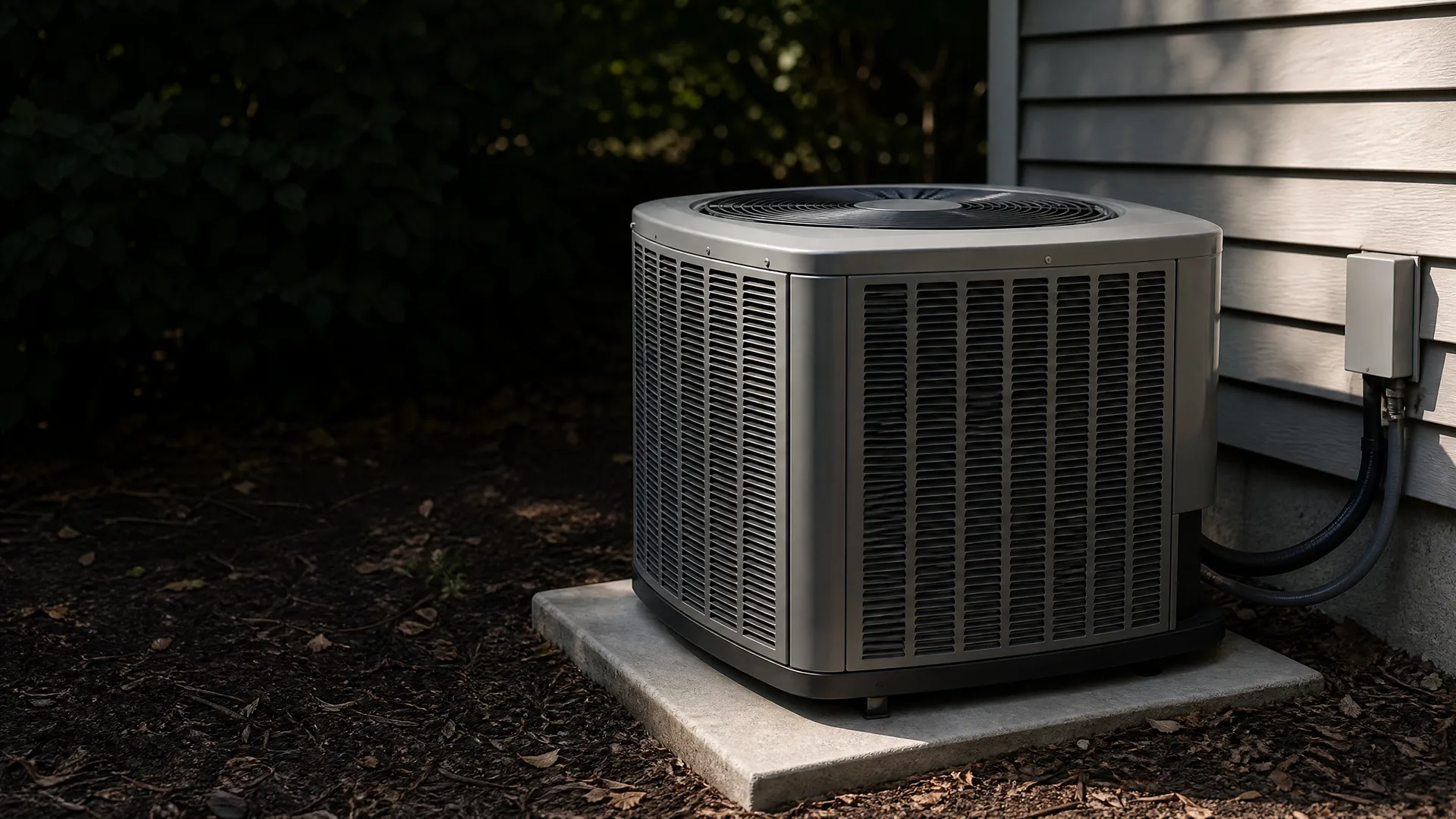
Most central air conditioners last 12 to 15 years. In Yellowstone County, the dry heat pushes units toward the lower end of that range, since the compressor runs hard and often through long stretches of summer with little rest. Hot, dry air also means the outdoor unit works against higher head pressure on the worst afternoons, which adds wear a milder climate wouldn't. If your system came with the house, check the age on the data plate rather than guessing from how long you've lived there. Past the 12 year mark, a breakdown in July is a real possibility, not a distant one, and it's worth knowing whether a repair or a full replacement makes more sense before that heat actually arrives.
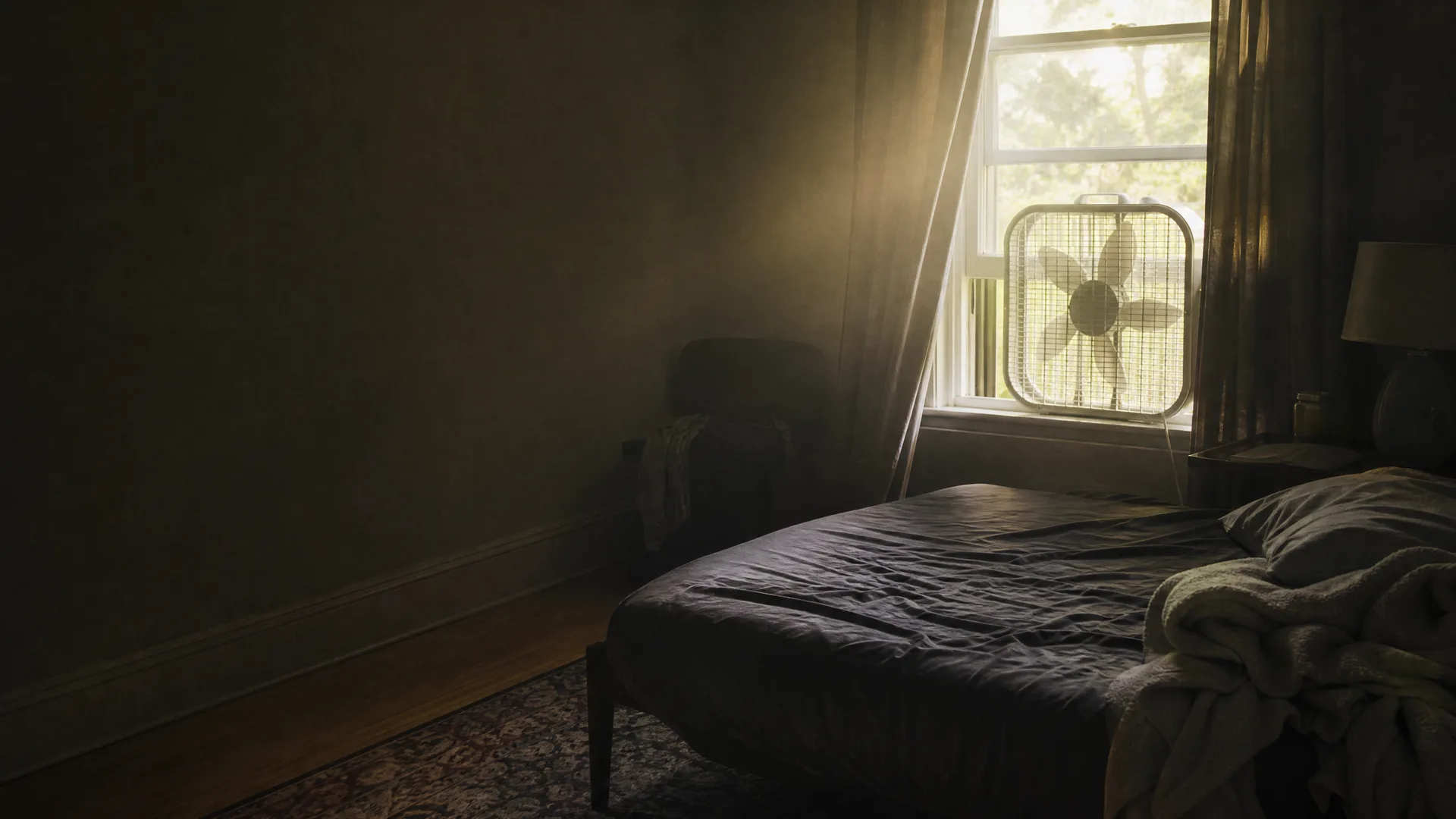
It's almost nine and still light out, that long June dusk. The box fan is going full speed in the window, pulling in air that isn't much cooler than what's already in the room. You've got a sheet instead of a blanket and it's still too much. Downstairs the thermostat says seventy-eight. Upstairs feels worse, the heat sitting up near the ceiling where you're trying to sleep. You can hear the fan motor and not much else, no sound of the AC cycling on, because it isn't. You lie there doing the math on how many hours until it's light again, and whether tomorrow night is going to be the same thing.
Repair the AC or Replace It
Repair
- A repair makes sense if the unit is still under warranty or the fix is a single part like a capacitor or contactor.
- You keep the refrigerant type and coil match you already have, so there's nothing new to size or install.
- A repair now doesn't stop the next breakdown from coming, especially once the compressor or coil is the part failing.
- Summers in Billings push a weak unit hard, so a patched system may only get you through the season, not past it.
- Parts for an older unit can take time to source, and that's a bad position to be in during a July heat wave.
- If the system is still working fine otherwise, a repair costs less upfront than starting over with a new install.
Replace
- A new unit comes with a full warranty, so you're not paying for the next repair on top of the install.
- Replacing means matching the system to your home now, which matters if the old one was ever undersized for Billings summers.
- You stop guessing whether this is the fix that finally holds or just the latest one in a string of repairs.
- A new air conditioner runs more efficiently, which matters over a long, dry Yellowstone County summer.
- Installation takes planning and scheduling, so it's not something you do the same afternoon the old unit quits.
- If the compressor has failed or the system is old enough that parts are hard to find, replacement is usually the only real option.
Why the dry heat matters
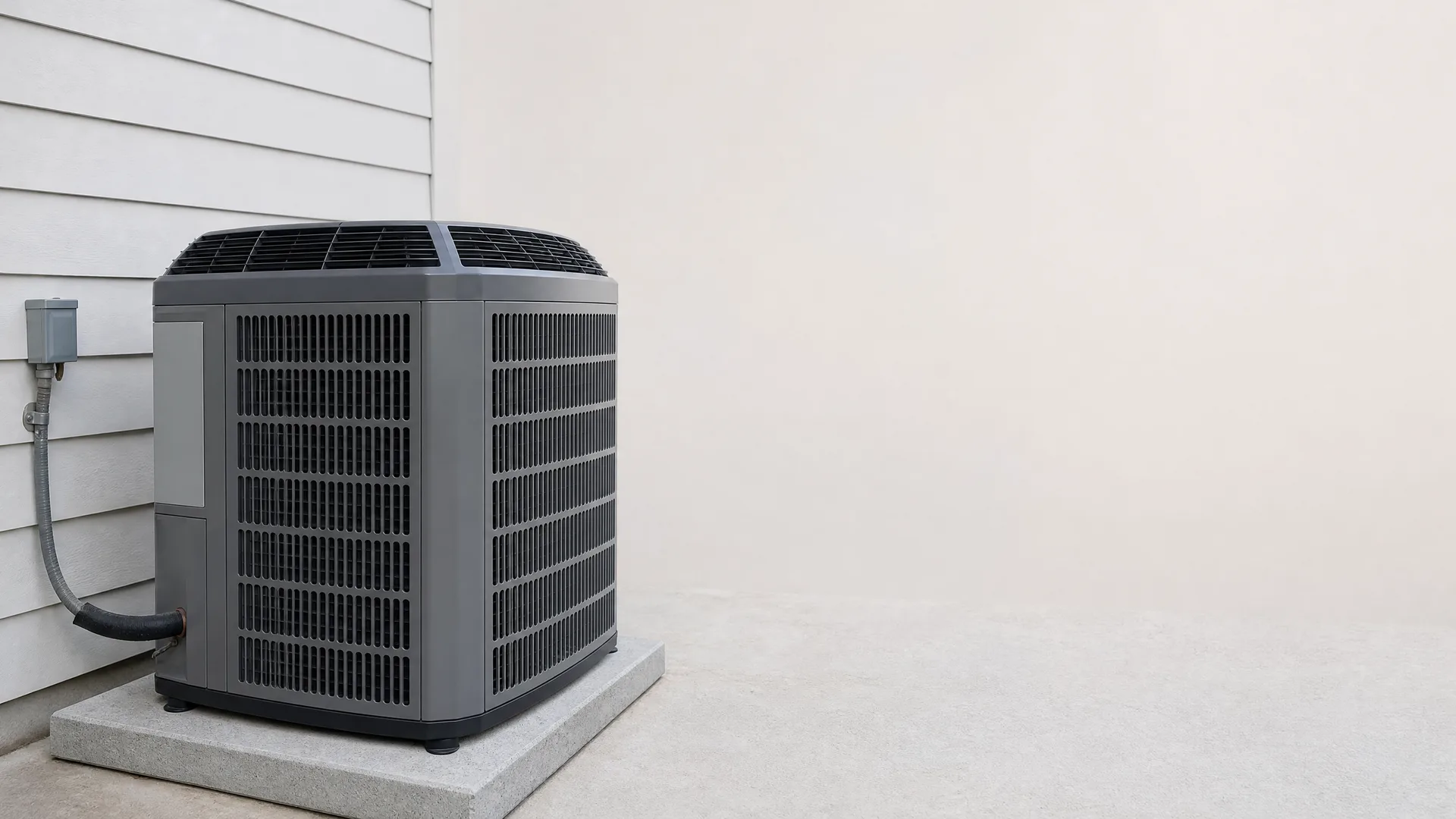
Billings summers are hot but dry, and that changes how an AC unit wears. The condenser outside is rejecting heat into air that doesn't hold much moisture, so the unit doesn't fight humidity the way one in a wetter climate does. What it does fight is dust. Dry air carries more of it, and that dust settles on the outdoor coil and the condenser fins. A coil that stays clean transfers heat the way it was built to. One caked with dust makes the compressor work harder to do the same job, and that extra strain is what shortens a unit's life.
What the compressor actually wears out
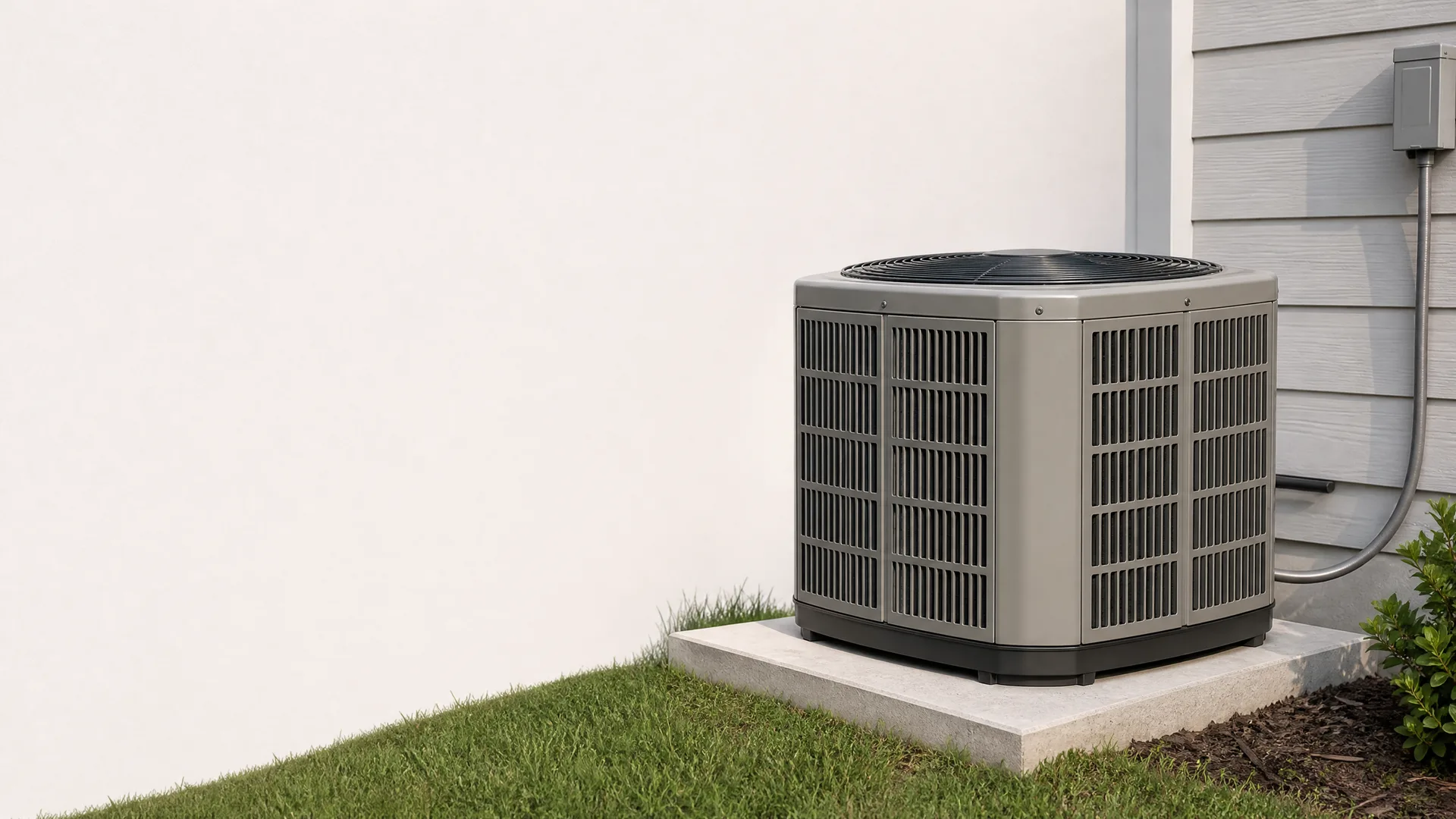
The compressor is the part that fails when an air conditioner reaches the end. It's sealed, it runs every time the unit calls for cooling, and it isn't something a contractor replaces on its own in most cases, since the cost is close to a new system. Short cycling wears it faster, and so does a dirty coil forcing it to run longer to hit the same temperature. A unit that's sized right for the house and kept clean puts less strain on that compressor every single summer it runs.
Is your AC telling you it's on the way out?
Listen to it the next time it kicks on. A unit that's wearing out runs longer to hit the same temperature, and the air coming out of the vents feels less cold than it used to. You might hear a click before it starts, or a rattle from the outdoor unit that wasn't there last summer. Some rooms stay warmer than others no matter where you set the thermostat. If it's short-cycling, turning off and on every few minutes, that's hard on the compressor and it shows up on your power bill. Left alone through another Billings summer, a unit in this shape is more likely to fail outright on a 95 degree day, right when replacing it under pressure is the last thing you want to deal with.




Finding a pro stops being your job
By now you've got a sense of where your unit stands, whether it's the age, the noise, or the way it's been running longer to do the same job. Deciding to replace it is one thing. Finding someone to actually do the work is another, and that part usually means pulling up a list of contractors, calling a few, explaining the same details about your system each time, then sitting on quotes that are hard to compare because no two are written up the same way. In Billings, with summer heat that doesn't let up for long, that's time you may not want to spend while the house is sitting warm. Send the request above and that search is off your plate. One contractor gets your information and reaches out, and from there you're talking about your actual unit instead of chasing people down.
The compressor is what actually wears out, and it fails for reasons tied to how hard it's had to work. Every time the unit cycles on, the compressor has to come up to pressure, and that startup is the hardest moment in its life. A unit that short-cycles, turning on and off every few minutes because it's oversized or low on charge, puts itself through that stress far more than one that runs a long, steady cycle. Low refrigerant does the same kind of damage another way: the compressor ends up pulling on vapor that's thinner than it should be, and it runs hotter than it's built to. Over years, the motor windings inside take the damage first, and that's usually the failure that ends a unit, not the cabinet or the coil. A unit that's been charged correctly and allowed to run long cycles instead of short ones will get more years out of the same compressor than one that hasn't, regardless of how hot the summers here get.
Cooling runs July through August
Two months is all the work your air conditioner actually does here. The rest of the year it sits idle, which is easy to forget when you're judging its age by the calendar instead of by how much it's actually run.
NOAA nClimDiv 1991-2020

What an aging unit costs you in your own house
An old unit doesn't fail politely. It fails on a hot afternoon when every other AC in the neighborhood is also straining, which is exactly when a contractor's schedule fills up fastest. You end up calling around to whoever you can find, explaining the same thing to three or four different companies, waiting on callbacks, trying to compare quotes you don't have much basis to judge. Meanwhile your house holds the heat, and if anyone in it doesn't handle heat well, that's not a small thing to wait out.
There's also what it's costing you right now, before it quits altogether. A compressor working harder than it should pulls more power to do the same job, and that shows up on your bill before it shows up as a breakdown. Replacing it before it fails means you pick the time. Replacing it after means the heat picks for you, and you're left doing the legwork of finding help while your house sits at ninety degrees.


A dew point near 46°F in June, July and August, per NOAA climate data, is dry air. Your AC doesn't spend much effort wringing moisture out of it, which is the harder half of its job. Almost all the cooling it does here is sensible heat, dropping the temperature, not pulling water out of the air. That's lighter work on the coil and the compressor than the same heat load would be somewhere humid. You'll notice it in how fast a room actually cools once the air starts moving, and in how dry your skin and the inside of the house feel even with the AC running hard on a 95-degree afternoon.
NASA POWER T2MDEW


Where your AC stands now
- Most AC units in Billings last somewhere between 12 and 18 years, depending on how well they were installed and maintained.
- The compressor, not the calendar, decides the real lifespan, and it wears from hard starts more than from age.
- Dry summer air here eases the load compared to humid climates, but hard winters still put the outdoor unit through a lot.
- A unit running longer than it used to, or cooling less than it used to, is telling you where it stands.
- Once you know your unit is near the end, the remaining work is finding a contractor who can install the replacement.
Twelve to eighteen years is the range for most units here, and where yours falls depends less on its birthday than on how it's been run and kept up. The compressor is the part that decides the end, and it wears out faster when it's been short-cycling or straining through a string of hot afternoons than it does just sitting through another Billings winter. The dry air here has worked in your favor. Your unit hasn't spent years fighting humidity the way one in a wetter state would, so if it's been maintained, it may have more left in it than its age alone suggests. But a hard winter still puts the outdoor unit through real stress, sitting out in the cold and wind for months even though it isn't running. If yours is cooling less than it used to, or running longer to get there, that's the unit telling you something the calendar can't. At that point the question isn't really how long it could theoretically keep going. It's whether you want to bet another summer on it. Once you've made that call, what's left isn't figuring out what's wrong or whether it's worth fixing. It's finding a contractor who can get out there, look at your specific setup, and install the right replacement, instead of you spending your evenings calling around town comparing quotes from people you've never worked with.
Let someone else find the pro