Profile view of a bearded man wearing a dark green baseball cap and a dark gray T-shirt against a plain light background.

How to lower your AC bill in a Montana summer

Step 1 of 3: Equipment

How do I lower my AC bill in a Montana summer?

Dry heat and triple-digit afternoons push an AC hard, and with power priced low here, most of the bill isn't really about the thermostat setting. It's about whether the unit is running the way it's supposed to. A system that's lost some of its charge or is choked with a dirty filter will run longer to do the same job, and that's where the extra cost comes from.

Keep the coil and filter clean and the refrigerant charge correct

A clean outdoor coil and a full refrigerant charge let your AC move heat out of the house in less time, which is most of what decides the bill. Montana's dry air doesn't clog a filter as fast as humid places do, but dust off the fields and from summer driving still builds up on the coil over a season, and a coil caked with dust makes the compressor work longer to cool the same rooms. A unit low on refrigerant runs almost constantly and still falls short, especially on the hottest afternoons. A tune-up before the heat sets in catches both before they cost you a full summer of longer run times.

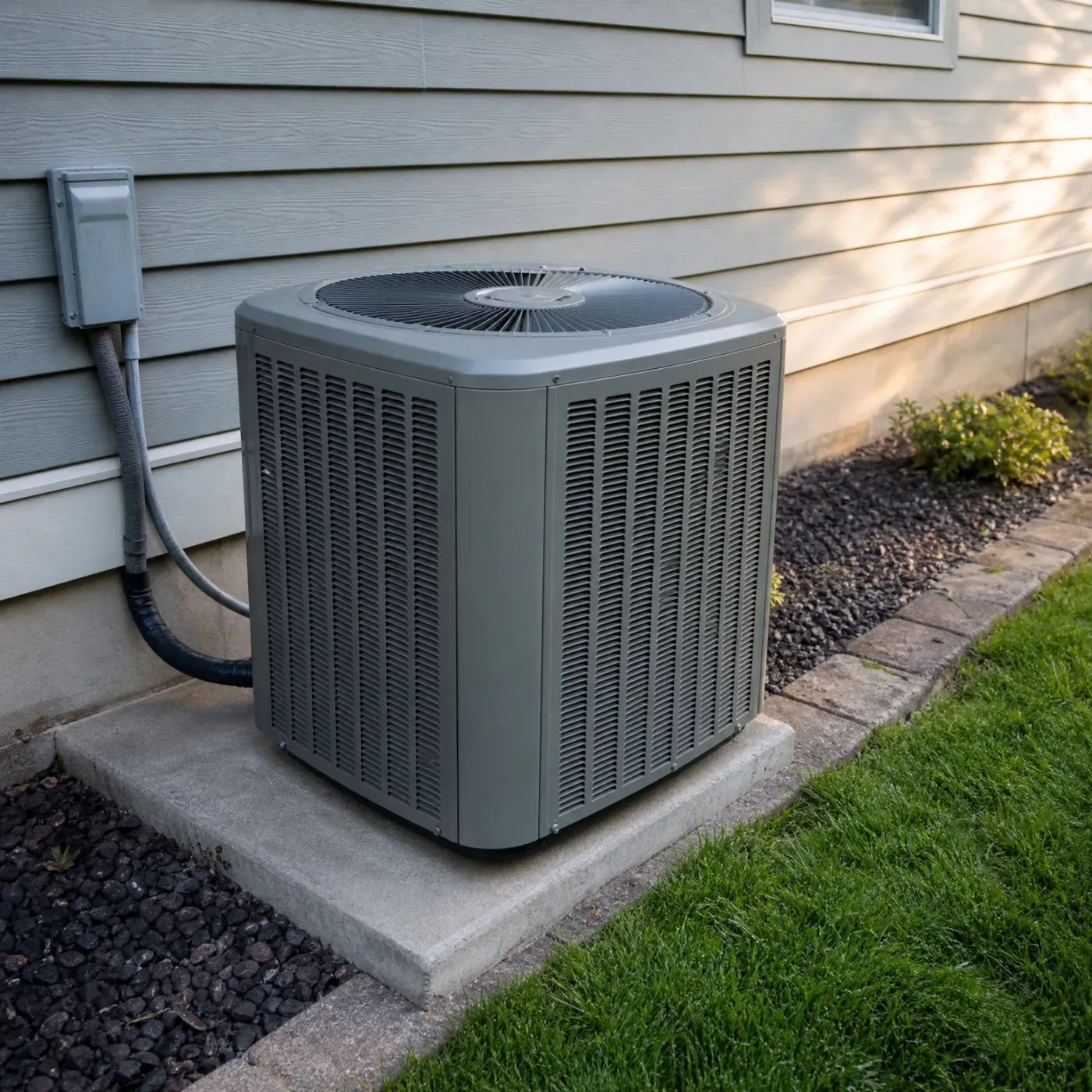
An outdoor air conditioning condenser unit on a concrete pad at the corner of a house, next to vinyl siding and a plain light-colored wall, with grass and a mulch bed in the foreground.

Low charge makes the compressor work harder

A unit low on refrigerant still cools the house, but the compressor runs longer to do it, and that extra runtime shows up on the bill before it shows up as a comfort problem. Dry air masks a weak charge too, since the house still feels cool even as the system struggles. A gauge check during maintenance catches this before a July afternoon does.

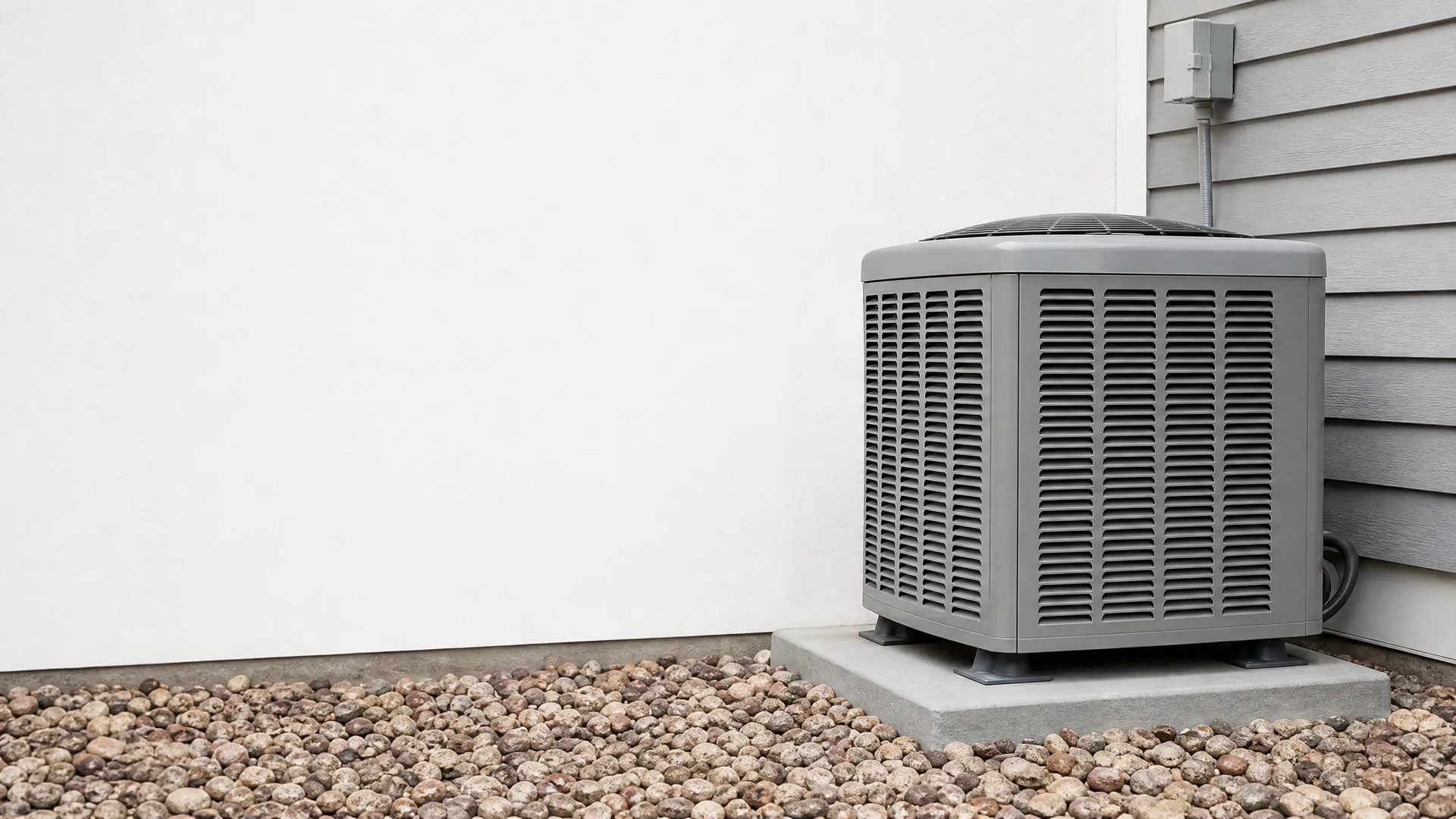
A gray outdoor air conditioning condenser unit sits on a concrete pad beside a white stucco wall and gray horizontal siding, surrounded by rounded landscaping gravel, with an electrical disconnect box mounted on the siding above.

A dirty coil loses its grip on heat

The outdoor coil has to shed the heat pulled from inside your house, and a season of dust and cottonwood fluff on the fins cuts how much it can release. The compressor keeps running to compensate, pulling more power for the same drop in temperature. Montana's dry summers mean less mud on the coil than humid states see, but dust still packs in around the fins over months of use.

A closed dark laptop and a ceramic mug of coffee on a wooden dining table, with wooden chairs, a dark kitchen cabinet with cutting boards and a potted plant, and a leafy plant by a window in the background.

You pay for the extra runtime before you ever feel it

With power priced the way it is in Montana, you won't see a low charge or a dirty coil as a dollar jump right away. What you'll see is the unit running longer on the same hot afternoon it used to handle in less time. By August you're looking at a bill that doesn't match how often you actually touched the thermostat, and nothing in the house tells you why.

Finding out why usually means calling around, explaining the same thing to two or three companies, and sorting through quotes that don't quite match each other. A local contractor who services AC units all summer in this climate already knows what tends to go first in dry heat, and checking your unit is one call instead of several, with one person who already knows what they're looking for before they get to your house.

Interior corner with a beige sofa holding a dark green and a light cushion and a textured throw, a potted small-leaved tree beside a white-framed window, and a dark shallow bowl on a wooden coffee table in the foreground.
A gray outdoor air conditioning condenser unit on a concrete pad beside a house with horizontal gray siding, with a wall-mounted electrical disconnect box and insulated refrigerant lines, and blue hydrangeas in a mulched bed to the left.

Clean coil, short cycles

This condenser sits clean on its pad, lines running straight into the wall. Air moves through the fins with nothing blocking it, so the unit pulls heat out fast and shuts off again. On a dry 95 degree afternoon it cycles the way it was built to.

A gray outdoor air conditioner condenser unit on a concrete pad beside a house with beige horizontal siding, with an electrical disconnect box and insulated refrigerant lines on the wall and dry leaves on the ground.

Rust, dirt, and a compressor that won't quit

This one has rust across the shroud and dirt packed into the fins. Air can't move through the coil the way it should, so the compressor runs long and still falls behind once the afternoon heats up. Nobody checked it going into summer.

Skip Maintenance or Get It Serviced

Skip maintenance

  • The coil stays dirty through July and August, and the unit runs longer each afternoon to move the same heat.
  • A low charge goes unnoticed because dry air still lets the house cool, just slower and at higher cost.
  • Dust from a dry climate builds up on the fins faster than most people expect, and nothing clears it until someone looks.
  • The compressor absorbs the extra strain all summer, which shortens how many summers it has left in it.
  • You find out something's wrong when the bill jumps or the unit can't keep up on a 98 degree day.

Get it serviced

  • A contractor checks the charge and the coil before the worst heat hits, so the unit isn't compensating all summer.
  • Someone local who services this equipment every season knows which parts tend to fail first in dry heat.
  • You make one call and deal with one contractor, not a handful of quotes from companies you don't know.
  • A clean coil and correct charge mean shorter cycles, so the unit shuts off instead of running straight through the afternoon.
  • You're not stuck explaining the same problem over and over to different people before anyone looks at the unit.
A smiling woman with dark shoulder-length hair in a cream V-neck sweater sits at a marble counter with a glass of red wine, with a kitchen and softly lit living room behind her.
A woman in a dark green sweater laughs while seated at a marble kitchen island with a glass of red wine, with open shelving, cabinets and a living room visible behind her.
A woman with long dark hair in a cream knit sweater laughs while looking off to the side, seated at a counter with a glass of red wine, in a dimly lit living room with a sofa, lamp, framed pictures and houseplant behind her.
A smiling woman with long dark hair in a beige sweater sits at a marble kitchen counter with a glass of red wine, with a dimly lit living room behind her.

One form, no calling around

A licensed local pro takes the request for your air conditioner tune-up.

No charge to send it. You decide if you hire them.

What a tune-up actually checks

  • A contractor checks refrigerant charge with gauges against the manufacturer's target, not by feel or by how cold the air feels.
  • The condenser fan and compressor both draw amperage, and a reading outside the rated range points to a motor or compressor working harder than it should.
  • Coil cleaning happens with a brush and rinse from the inside out, because dirt and cottonwood fluff pack into the fins from the airflow side, not just the surface you can see.
  • A dirty blower wheel inside the air handler cuts airflow across the evaporator coil even when the outside unit looks clean.
  • Capacitors get tested under load, since one can read fine at rest and still fail to start the compressor on a hot afternoon.
  • The contractor checks that the outdoor unit still has clearance on all sides, since grass and trash cans growing in against the cabinet choke the airflow the coil depends on.

Refrigerant charge is measured, not guessed. A contractor connects gauges to the lines and compares the reading against what the manufacturer specifies for that unit, because a system can feel cold at the vent and still be running low. The fan motor and the compressor each pull a certain amperage when they're healthy, and a clamp meter on those wires tells the contractor if something is dragging, before it fails outright on a hot afternoon. Inside the condenser, the coil gets cleaned from the inside out with a brush and a rinse, since cottonwood fluff and dust get pulled into the fins by the same airflow that cools your house, not just settled on the outside where you'd see it. The evaporator coil depends on airflow too, and a blower wheel caked with dust chokes that airflow from indoors even when the outdoor unit looks spotless. Capacitors get the closest look, because a capacitor can test fine sitting idle and still fail to kick the compressor into motion when it's asked to start under a full summer load. Last, the contractor walks around the outdoor unit itself and checks the clearance on all four sides. Grass grown up against the cabinet, or a trash can pushed too close, blocks the same airflow the coil needs to dump heat outside. None of this is guesswork. Each check has a number or a pass-fail result behind it, and that's what tells a contractor whether the unit is working the way it's built to, not just whether it's making cold air today.

A gray outdoor air conditioner condenser unit on a concrete pad beside a house with light vinyl siding, with an electrical disconnect box and conduit on the wall and a leafy shrub with dark mulch to the right.
A clean condenser like this one shuts off again once the house is cool, instead of running straight through the hot part of the afternoon.
An outdoor air conditioner condenser unit on a concrete pad beside a house with horizontal lap siding, with a gray electrical disconnect box and conduit on the wall and a green shrub over pine-needle mulch at left.
A grille this dirty forces the unit to run longer for the same cooling, and that extra runtime is what shows up on the bill.
An outdoor air conditioner condenser unit beside a house with horizontal siding and stucco, its coil fins covered in white cottonwood fluff that also collects on the surrounding grass and mulch.

You're out watering the flower beds on a Saturday in late May, cottonwood fluff drifting across the yard and catching on everything, the grass, the fence, the side of the house. You walk past the condenser on your way back to the hose and notice the fins have gone white with it, packed in so thick you can't see the metal underneath. The unit's running, you can hear it, but the airflow through those fins is next to nothing now. You make a note to pull the fluff off later, then get pulled back to the hose, and the unit keeps running through the thickening afternoon heat with half its fins blocked.

Why does the AC run longer than it used to?

You'll notice it in the afternoon. The unit kicks on earlier and stays on longer, even though the house feels about the same temperature. Maybe you hear it still running when you go to bed, on a night that isn't even that warm. Outside, the condenser fins might look gray or matted instead of open, or there's cottonwood fluff caught in the grille. Inside, the air coming out of the vents doesn't feel as cold as it used to, just steady. None of this is dramatic on its own. But a unit working this hard all summer wears its compressor down faster, and if it quits in August, you're waiting on a contractor during the week everyone else is too.

A bearded man in a dark navy sweater over a collared shirt smiles and looks off to the side while seated at a dinner table with a glass of red wine, a lit candle, and a plate of food in the foreground of a dimly lit room.
A woman in a dark gray sweater reclines on a couch with her eyes closed and a knit blanket over her lap, an open book resting face-down in front of her, with a lit table lamp and shelving blurred in the background.

Maintained unit

A technician checks charge, amperage and airflow once a year and catches the small problems before they turn into longer runtimes on every hot afternoon.

Fill out one form

Neglected unit

The coil stays dirty and the charge drifts low without anyone noticing, and the unit quietly runs longer each day through July and August.

Fill out one form

Power costs 12.99 cents per kilowatt-hour statewide

At 12.99 cents a kilowatt-hour, running your AC in Montana doesn't cost what it does in a lot of other states. That's the reason a dirty coil or a low charge can go unnoticed so long. The unit runs an extra hour or two on a hot afternoon and the bill barely moves enough to make you look twice.

EIA-861 2025 statewide residential average

A dirty outdoor air conditioning condenser unit on a concrete pad beside a house wall with horizontal siding above a painted brick foundation, with a gray electrical disconnect box and conduit on the wall.
Before you get your air conditioner maintenance
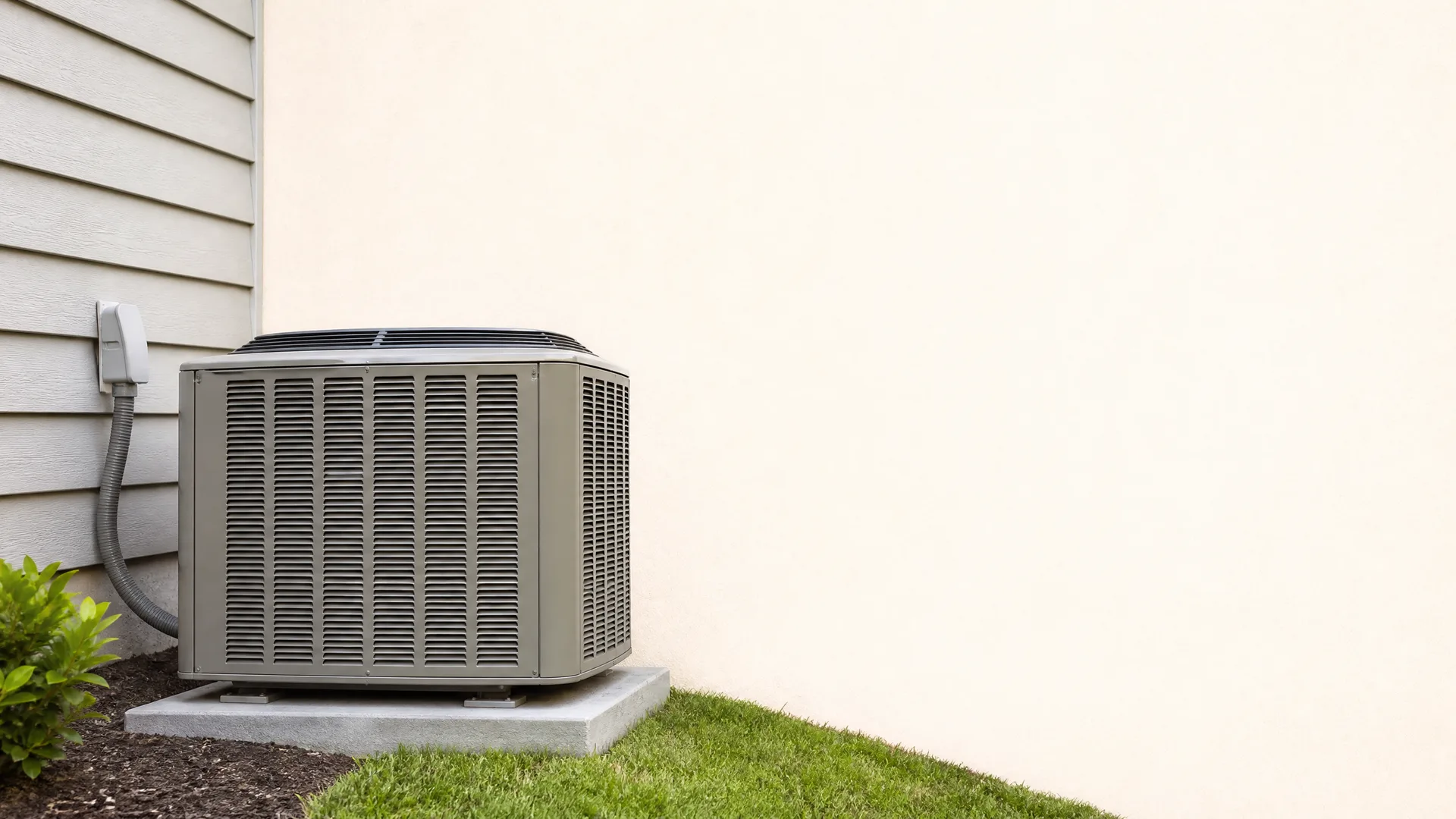
A gray outdoor air conditioning condenser unit on a concrete pad beside a house with horizontal lap siding, with a wall-mounted disconnect box and conduit to the left and a green shrub with mulch to the right.
After you get your air conditioner maintenance
A single-story gray horizontal-siding house with multiple front-facing gables, white-trimmed windows, a dark front door, and a concrete walkway crossing a partly dry lawn under a clear blue sky.

Montana summers are dry, and NOAA puts the average dew point at 44°F across June, July and August. That's low enough that the air almost never feels heavy, even on a 95 degree afternoon. The downside is that dry air cools fast no matter what shape your AC is in, so a dirty coil or a low charge won't make the house feel muggy or slow to cool. The unit just runs longer to get there. You won't feel the difference on your skin. You'll feel it when the compressor is still running at 9pm on a night that cooled off an hour ago.

NASA POWER T2MDEW county cells weighted by homes

The answer stays the same whether the afternoon is 85 or 105: a clean coil and a correct charge cool your house in less time, and less runtime is what lowers the bill. Montana's dry air will cool a house even when the unit is working harder than it should, so the only way to know if yours is one of them is to have someone check the charge with gauges and look at the coil and the amperage draw. That's a job for a contractor who works on these units every summer here, not a once-a-year visitor to the state, and you'll be matched with one licensed contractor local to you rather than a handful of companies competing for the callback. Someone who sees Montana coils clogged with cottonwood fluff and dry-climate dust every June knows what to check first and what usually turns out to be the problem. You've read what a dirty coil or a weak charge does to a hot afternoon's runtime. The rest is finding out whether that's what's happening at your house.

A gray outdoor air conditioning condenser unit on a concrete pad beside a house with horizontal lap siding, with a wall-mounted disconnect box and conduit, lava rock mulch, a shrub, and grass nearby.

Explain it one time

Skip the search

The pro who reaches out is licensed in Montana.

You only hire the pro if you want to.