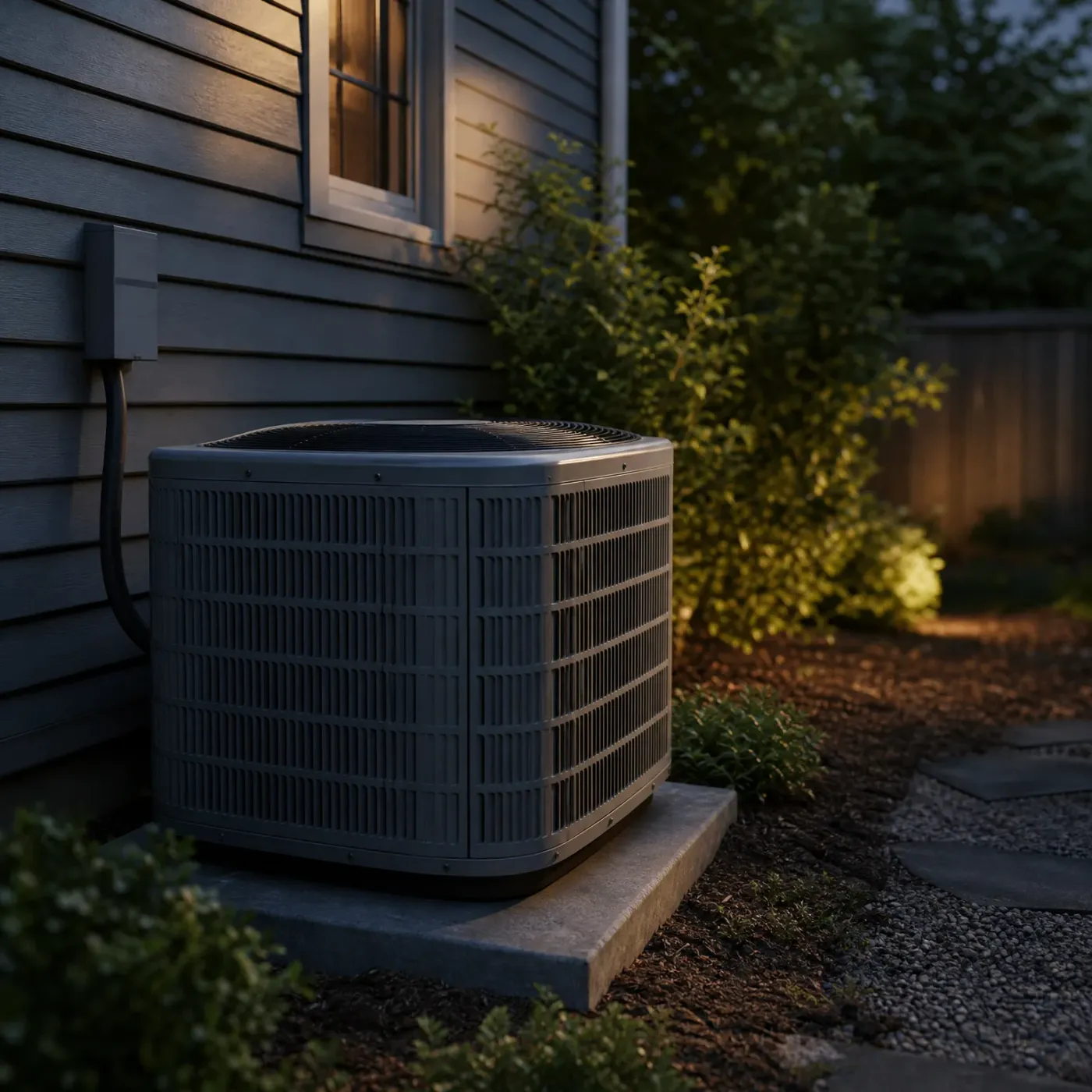
Get your air conditioner to the right pro
Is a variable-speed AC worth it in Montana
Power is cheap here, and with gas heat your AC only has one job: get the house through a hot, dry summer. A variable-speed compressor costs more up front and runs smoother, but whether that difference pays off in Montana depends on your house and what you use the system for. This page gets into what actually changes with variable-speed and what doesn't, so you can weigh it against a straight install before talking to anyone.
Get an air conditioner proFor most homes in Montana, a variable-speed AC is not worth the extra cost. Summers here are hot and dry, but they are short, and power is cheap. A standard single-stage or two-stage unit can get your house through July and August without much strain, and because electricity doesn't cost much here, running a less efficient compressor longer doesn't hit your bill the way it would somewhere with high power rates. Variable-speed systems earn their price in climates where the AC runs nearly year round, or where electricity is expensive enough that small efficiency gains add up fast. Neither is true here. Where a variable-speed unit can still make sense is comfort, not cost: it holds a steadier temperature and runs quieter than a unit that cycles on and off at full blast. If that matters more to you than the upfront price, it's worth asking a contractor what the difference would actually look like in your house.


How the two compressors behave
- A single-stage compressor runs at one speed only, full output until the thermostat is satisfied, then it shuts off completely.
- A variable-speed compressor ramps up and down, often running at a lower speed for long stretches instead of cycling on and off.
- Because it runs longer at low speed, a variable-speed unit moves air through the ducts more steadily, which affects humidity removal more than temperature.
- Montana's dry air means there is less moisture for that steady low-speed operation to pull out, so that advantage matters less here.
- A single-stage unit cycling on and off still satisfies the thermostat just as fast in a dry climate, since there is little humidity load to work against.
- The longer low-speed runtime on a variable-speed system also means the blower motor and compressor log more hours per season, not fewer.
A single-stage compressor has one setting. It runs at full output until your house hits the temperature on the thermostat, then shuts off completely, and stays off until the house warms up enough to call for cooling again. A variable-speed compressor doesn't work that way. It throttles itself up and down, and spends most of its time running at a lower speed rather than cycling fully on and off. That longer, slower runtime is where variable-speed systems earn their reputation. Moving air steadily over the evaporator coil for hours at low speed pulls more moisture out of the air than a unit that blasts cold air for twenty minutes and shuts down. In a humid climate, that difference shows up on an indoor hygrometer. In Montana, it mostly doesn't. The air coming into your house in July and August is already dry, so there's less moisture for that slow, steady airflow to remove. A single-stage unit cycling on and off will drop the temperature just as fast, because it isn't fighting humidity the way it would in a wetter climate. There's also a tradeoff the marketing skips over. Because a variable-speed unit runs longer at low speed instead of short bursts at full speed, the compressor and blower motor log more total hours over a summer, not fewer. More runtime isn't automatically a problem, but it means the appeal of variable-speed here rests on comfort and sound, not on a humidity benefit your climate doesn't give you much of.




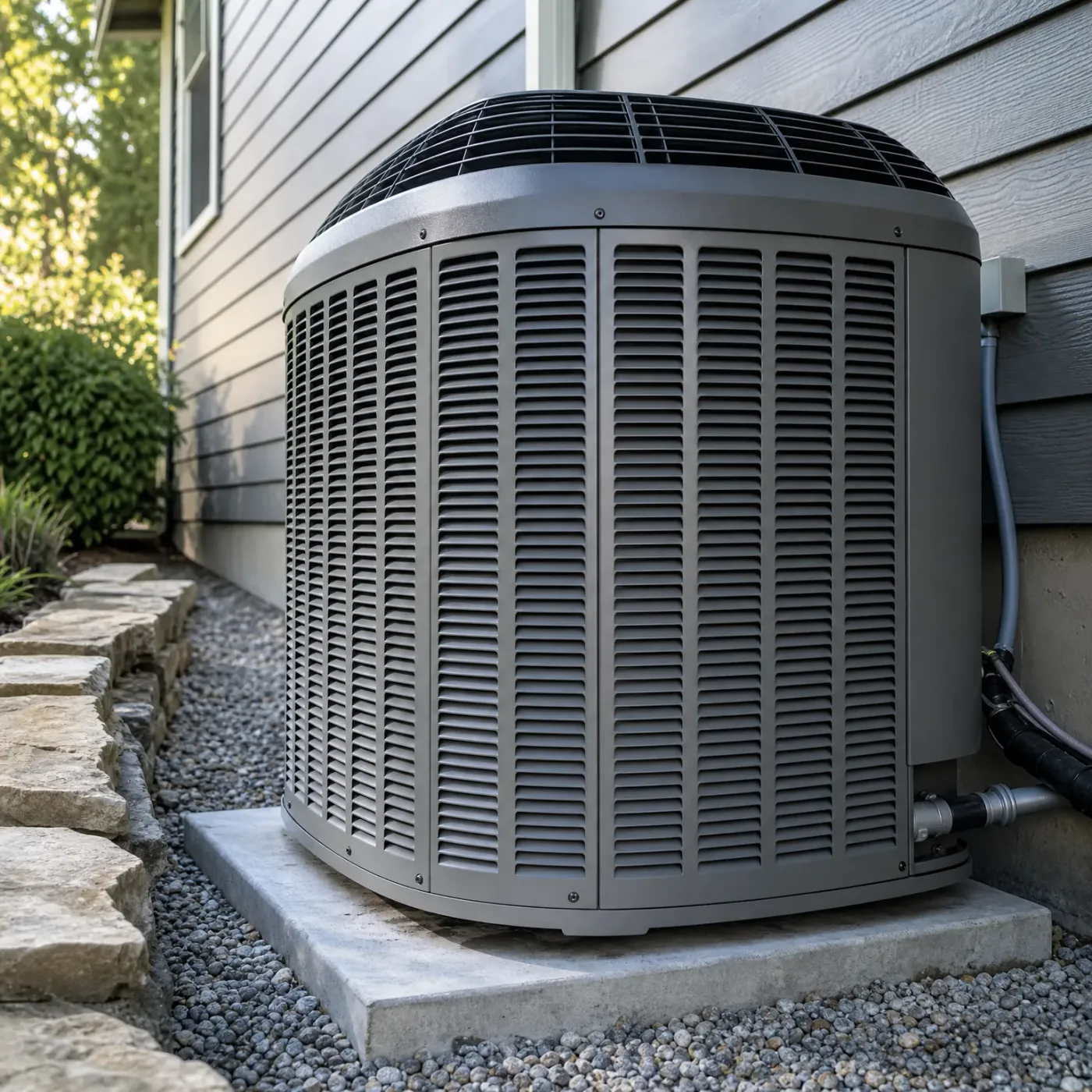
The right pro for this job
Skip collecting and comparing quotes for the new air conditioner.
A local installer who puts in air conditioners gets your project.
You're not committing to anything by asking.
Standard AC or Variable-Speed
Standard AC
- A single-stage unit costs less to install and there's less that can go wrong with it since it has fewer parts controlling its output.
- With power cheap in Montana, the efficiency gap between single-stage and variable-speed matters less here than it would somewhere with high electric rates.
- Repairs on a single-stage compressor are usually simpler and cheaper, since the contractor is dealing with one speed, not a range of them.
- Because your furnace handles the heat, the AC only has to perform well for a few months, which is less demanding on a simpler system.
- A single-stage unit cools a house fast on the hottest days, which matters most in a dry climate where afternoons can spike quickly.
Variable-speed AC
- It holds the house at a steadier temperature since it adjusts its output instead of switching fully on and off.
- It runs quieter most of the time, because long stretches at lower speed don't have the full-blast noise of a single-stage unit kicking on.
- It does better with humidity control, though that matters less here since Montana summers are dry rather than muggy.
- The upfront cost is higher, and in a place with a short summer and cheap power, that cost takes longer to make up.
- It can be a better fit if your ductwork struggles with uneven cooling between rooms, since it adjusts airflow instead of blasting it all at once.
Thermostat calls for cooling and sends a signal to the outdoor unit
Compressor ramps up gradually instead of jumping to full speed
Indoor coil and blower adjust output to match the load
Compressor holds at low speed for long stretches to hold temperature
Power costs 12.99 cents per kilowatt-hour statewide
At 12.99 cents per kilowatt-hour, running your AC flat out on the hottest July days doesn't add up to much on the bill. That's the gap a variable-speed compressor is built to close, and in a state where power costs this little, there's less gap to close.
EIA-861 2025 statewide residential average
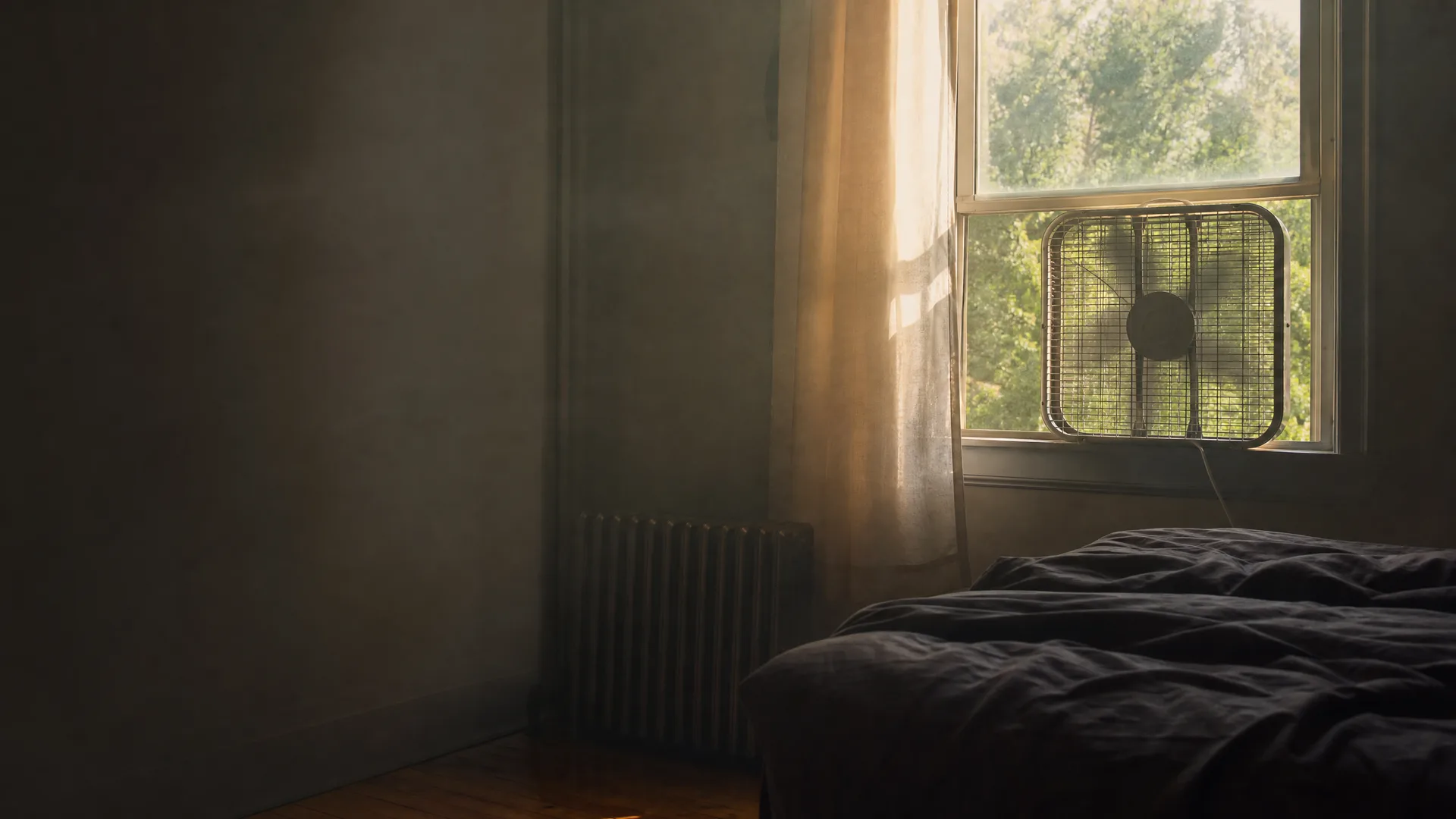
By eight in the evening the upstairs bedroom still hasn't let go of the day. The box fan sits in the open window, pulling in air that isn't much cooler than the air already in the room. You can see the haze of it against the lamp light, that thick, dry shimmer Montana gets in June when the sun's been on the roof since five in the morning. The fan turns the air over without doing much else. Downstairs the AC is still running, same speed it started at hours ago, same speed it will shut off at. Up here, under the roof, that doesn't reach the way it does in the rooms below.

A standard AC is the right call for most Montana homes
Your summers are hot but short, and power here is cheap. A single-stage or two-stage unit will keep your house comfortable through July and August without asking you to pay for a feature that has less room to earn its keep in this climate. That's the plain answer. A variable-speed compressor isn't a bad machine, it just has less to offer where electricity doesn't cost much and the hot stretch doesn't last long.
If you're still weighing it out, that usually means your situation has a detail the general answer doesn't cover, maybe a house that holds heat oddly, or a system that has to do more than just cool. That's worth a second opinion from someone who can look at your house directly. Instead of calling around and explaining your setup more than once, you can get matched with a contractor who installs AC systems in Montana and have them reach out to go over what your house actually needs.



Air Conditioner Installation
Matched to your air conditioner job
Skip the round of in-home estimates for a new air conditioner.
