

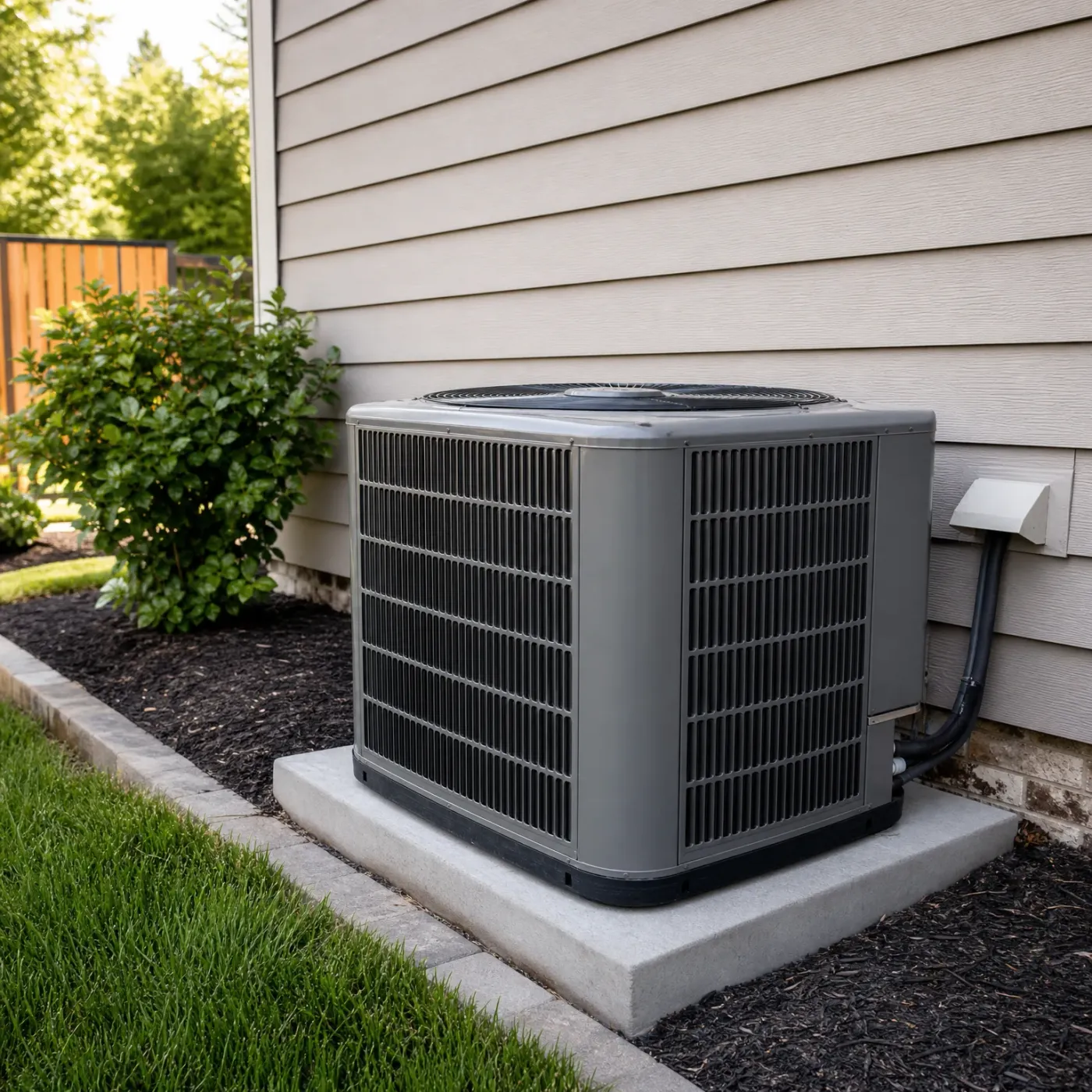

An outdoor air conditioning condenser unit on a concrete pad beside a house with stone veneer and vertical board siding, with a small shrub and mulch bed lit by a ground light at dusk.

The right pro for this job

Why your upstairs stays hot in Montana summers

Heat rises, so the upstairs bedrooms take the worst of it while the thermostat downstairs says the house is fine. Your air conditioner might be sized right and still lose that fight if the ducts feeding the second floor aren't pulling their share of the air. This page gets into what causes that gap and what to check first. A local contractor who works on Montana systems every summer can look at yours and find out why.

Find an air conditioner pro

Your upstairs stays hot because the air conditioner is working against two things at once: heat rising to the top floor, and a system that was likely sized and balanced for the whole house, not for pushing extra cold air up a flight of stairs. In a Montana summer, with dry heat and strong sun on the roof all afternoon, that upper floor can be fifteen or twenty degrees warmer than the thermostat reading downstairs. The thermostat sees its own room, calls it good, and shuts the system off before the second floor ever catches up. Ductwork plays into it too. If the runs feeding the upstairs are long, poorly insulated in the attic, or just too small for the load up there, they lose cold air before it reaches the vents. A dirty filter or a low refrigerant charge will make a system struggle everywhere, but it shows up worst farthest from the air handler, which usually means upstairs.

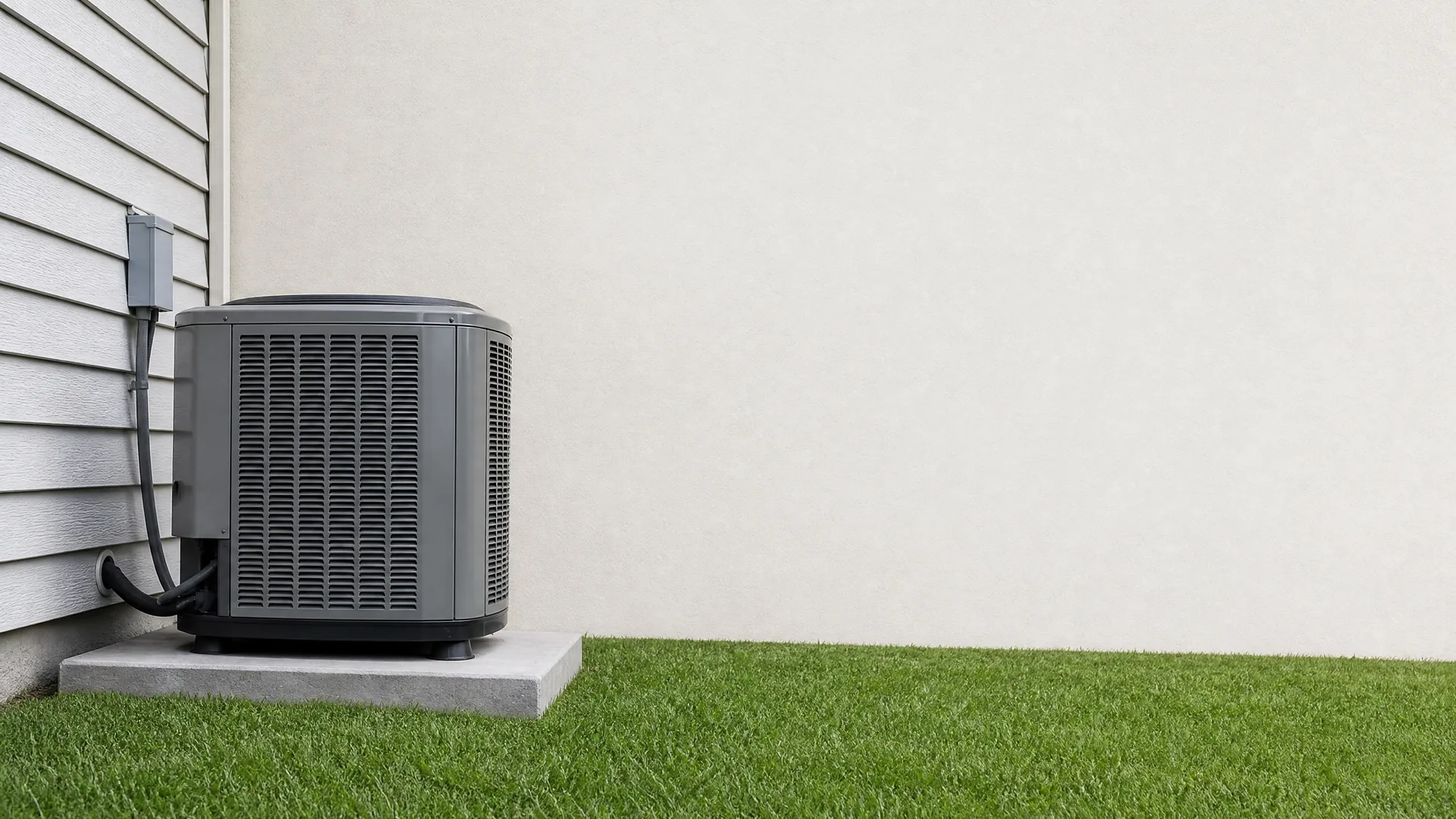
A gray outdoor air conditioner condenser unit on a concrete pad beside a house corner with lap siding and a stucco wall, surrounded by mown green grass.

One thermostat, two different rooms

A single thermostat downstairs reads one temperature and runs the whole system off it. It has no idea the upstairs is ten degrees warmer. Once that room hits its setpoint, the air conditioner shuts off, even though the bedrooms above are still climbing. Montana's dry heat makes this worse in the afternoon, when the sun has been loading that top floor for hours and the thermostat downstairs still shows a comfortable number.

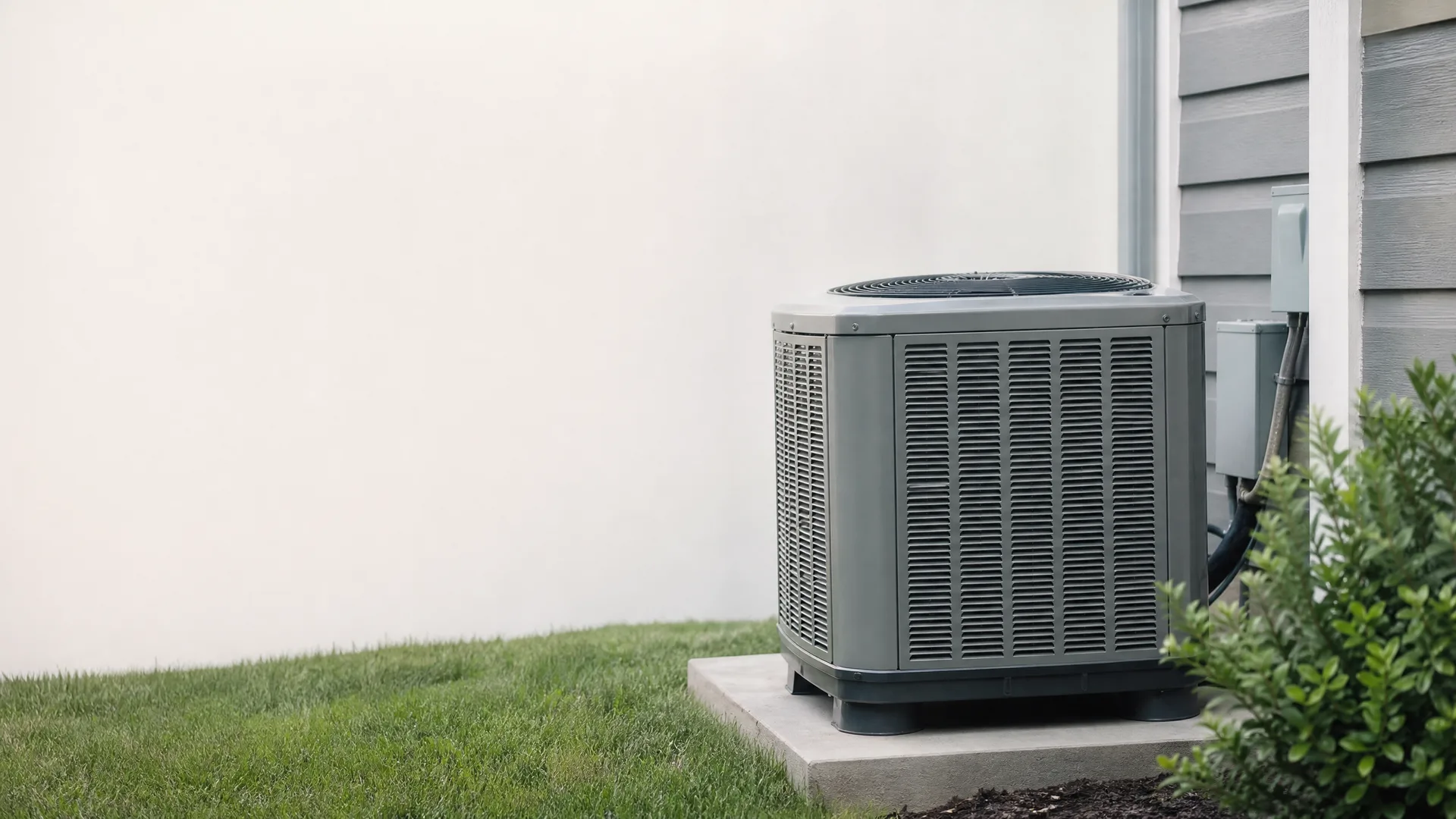
An outdoor air conditioning condenser unit on a concrete pad beside a house with light stucco and lap siding, with mown grass to the left and a green shrub to the right.

Dampers and duct runs matter too

Some homes have dampers in the ductwork meant to send more air upstairs during summer and more downstairs in winter. If one is stuck or was never adjusted, the second floor gets shortchanged all season. A longer duct run to the upstairs rooms also loses more pressure along the way, so even a properly sized system can end up delivering less cold air than those rooms need.

Power costs 12.99 cents per kilowatt-hour statewide

At 12.99 cents a kilowatt-hour, running the air conditioner harder to fight that hot upstairs room doesn't cost what it would in a lot of other states. The fix still belongs in the ductwork and airflow, not in letting the thermostat run longer and hoping the second floor catches up.

EIA-861 2025 statewide residential average

Living with it versus fixing the airflow

You can keep a window unit in the upstairs bedroom, run a fan at the top of the stairs, close the vents downstairs to try to push more air up. These get you through a night. They don't change what's happening in the ductwork, so the imbalance is still there the next hot afternoon, and you're back to running a second cooling source on top of the system you already have. Some of these homes have had the same duct layout since they were built, feeding the second floor off the same trunk line as the first, with no way for a thermostat to know one floor is hotter than the other.

What a contractor actually checks

A licensed contractor working in Montana sees this same complaint every summer and knows where to look first: the supply runs feeding the upstairs rooms, the return path pulling air back out, and whether the system was ever balanced for two floors instead of one. That's a different job than recharging refrigerant or swapping a part, and it's why this calls for someone who works on duct systems, not just the air conditioner itself. You'd be matched with one contractor local to you, someone who already knows what tends to go wrong in homes built the way yours was, so you're not explaining your house from scratch to three different companies.

A middle-aged woman with shoulder-length dark hair, wearing a gray cardigan over a cream top, sits in an upholstered armchair and looks toward a sunlit window, with a shelf holding framed pictures and a plant behind her.
A woman and a child wrapped together in a knitted gray blanket on a couch, with the child's head resting on her shoulder and a lit table lamp and houseplant in the background.
A gray outdoor air conditioning condenser unit on a concrete pad beside a house with horizontal vinyl siding, with mulch, a shrub, and lawn nearby.

Matched to your air conditioner job

Only one pro gets your request, so you hear from one company.

Tell a local repair pro what your air conditioner is doing.

Get one local pro

Sending the form costs nothing.

Why does the upstairs still get hot even when the AC is running non-stop?

You've got the thermostat set, you can hear the system running, and the upstairs still feels like it's twenty degrees warmer than the rest of the house. It's not shutting off, so it seems like it should be working. You want to know what's actually happening instead of just living with a hot bedroom through another Montana summer.

The air handler is running, but not enough of that air is reaching the second floor

A system that runs constantly and still doesn't cool the upstairs usually isn't undersized. It's not delivering the air it's making. Ductwork that narrows, a damper stuck half closed, or a return that's too small to pull air back down all cut into what actually reaches the top floor. The air conditioner keeps running because the thermostat downstairs hasn't hit its setpoint yet, so it has no reason to shut off. It's not struggling to produce cold air. It's losing a lot of it on the way up, or not pulling enough warm air back out of those upstairs rooms to make room for more. A contractor who checks airflow at each supply vent can tell you where it's getting lost.

A gray outdoor air conditioning condenser unit on a composite pad beside a house with horizontal lap siding, with a wall-mounted disconnect box, refrigerant lines, and a wooden fence and shrubs to the left.

Running normally

This is what the outdoor unit looks like doing its job: the fan turning, the lines running up the wall carrying refrigerant to the coil inside. Air moves through the house evenly enough that no one room is left fighting the rest for cold air.


An outdoor air conditioning condenser unit on a concrete pad beside a house with light vinyl siding, with electrical conduit running to a wall-mounted disconnect box and a shrub in mulch to the right.

Losing the fight upstairs

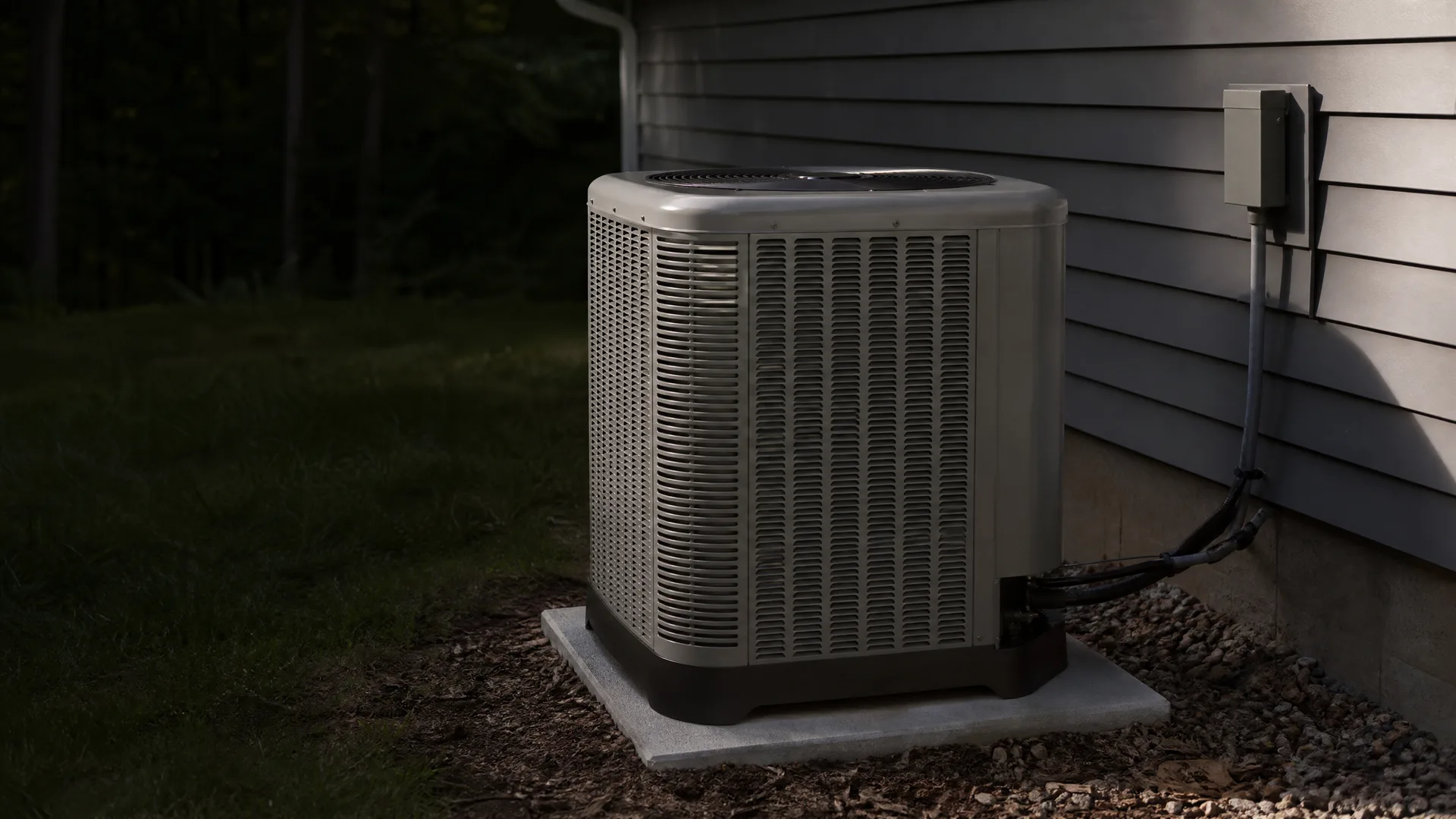
The unit outside can look exactly like this and still lose to the upstairs heat. Nothing here shows a cracked line or a dead capacitor. The problem is what happens after the cold air leaves this cabinet, whether enough of it actually reaches the second floor.

What does your upstairs actually feel like right now

You go up after dinner and the air feels thick, maybe five or ten degrees warmer than downstairs. The vents are blowing, but what comes out feels weak, barely moving compared to the vents on the main floor. Bedrooms with the doors closed overnight hold onto heat and don't cool back down until early morning, if then. You might notice the air conditioner cycling on and off more than it used to, working through the heat of the day without ever catching up on the top floor. Left alone through a full Montana summer, that imbalance keeps the upstairs rooms running hotter than they should for months, and the system keeps working harder than it needs to just to lose that fight every afternoon.

A gray outdoor air conditioning condenser unit sits on a concrete pad beside a house with horizontal siding, connected by insulated lines to a wall-mounted disconnect box, with a shrub and gravel bed to the right.
The fan spins, the lines stay cold, and the coil fins are clean enough to see through.
An outdoor air conditioning condenser unit sits on a concrete pad beside a house with horizontal vinyl siding, with a gray electrical disconnect box and insulated refrigerant line on the wall above, surrounded by bare mulched ground.
Dirt packed into the coil fins blocks the airflow the whole system needs, so the upstairs is the first room to lose out.
A two-story house with light beige horizontal siding, a gabled roof, a small covered front porch with dark door, and shrubs along the foundation, set behind a mown lawn and wet sidewalk with large leafy trees on both sides.

Montana summer air runs dry, with a dew point around 44°F across June, July and August, according to NOAA climate data. That's air with little moisture to carry heat away from your skin, which is why evenings here cool off fast once the sun drops. It also means your air conditioner isn't fighting humidity the way it would in a wetter state. The problem upstairs isn't the air outside. It's getting enough of the cold air your system makes up the stairs and through the ducts feeding that floor. Dry air moves heat efficiently once it reaches a room. The question is whether it's reaching the upstairs rooms at all.

NASA POWER T2MDEW county cells weighted by homes

A gray-haired man in a dark sweater sits on a light gray sofa in a living room, looking toward a sunlit window with trees outside.
A gray-haired man in a dark blue sweater sits on a light gray sofa in a sunlit living room, looking off to the side, with a potted plant, shelving unit, and large glass doors behind him.
A bearded man with graying hair in a dark green sweater sits on a sofa in a living room, looking off to the side, with a sliding glass door and a dim kitchen doorway behind him.
A gray-haired man in a dark knit sweater sits on a light gray sofa in a living room, looking toward a sunlit window, with houseplants, a lamp, and framed art in the background.

Duct work and balancing

A contractor opens the upstairs vents, checks what the ducts are actually delivering, and adjusts dampers or duct sizing so the second floor gets its share of cold air.

Get a local pro

A second thermostat zone

Splitting the system so the upstairs runs off its own thermostat means it keeps cooling after the downstairs unit has already hit setpoint and shut off.

Get a local pro
A woman in a cream sweater and jeans stands in the open doorway of a white stucco house, holding the dark door, while a man in a dark quilted jacket seen from behind walks toward the entry past potted plants.

Your upstairs isn't broken, it's outnumbered

The air conditioner is doing what the thermostat downstairs tells it to do. The heat rising to the second floor and the ducts not sending enough air up there are a ductwork and balancing problem, not a sign the unit is failing. That's good news, because it means fixing it doesn't mean replacing anything. It means someone getting into the ducts, checking the dampers, and sending more of what the system already makes up to where you actually sleep.

A contractor who works on Montana systems every summer has seen this exact complaint on plenty of two-story houses here, and knows which few things cause it most often. Getting matched with one licensed contractor local to you means one person looks at your ducts and your airflow, not three different companies giving three different answers. They'll reach out directly once you're matched, and you can walk them through what you've noticed, the warm nights, the weak vents, and let them tell you what's actually happening in your attic and walls.

Interior corner of a living room with a beige upholstered sofa and dark cushion in the foreground, a ceramic vase of leafy branches on a dark side table by a curtained window, a framed picture on the wall, and a wood-surround fireplace at right.
An outdoor air conditioning condenser unit sits on a concrete pad beside a house with horizontal lap siding, with a wall-mounted disconnect box and refrigerant lines entering the wall, gravel and grass around it and dark trees behind.

A local pro for your air conditioner repair

Step 1 of 3: Equipment